My trip to Türkiye with friends in the spring of 2023 was a dream come true, and a long time coming.
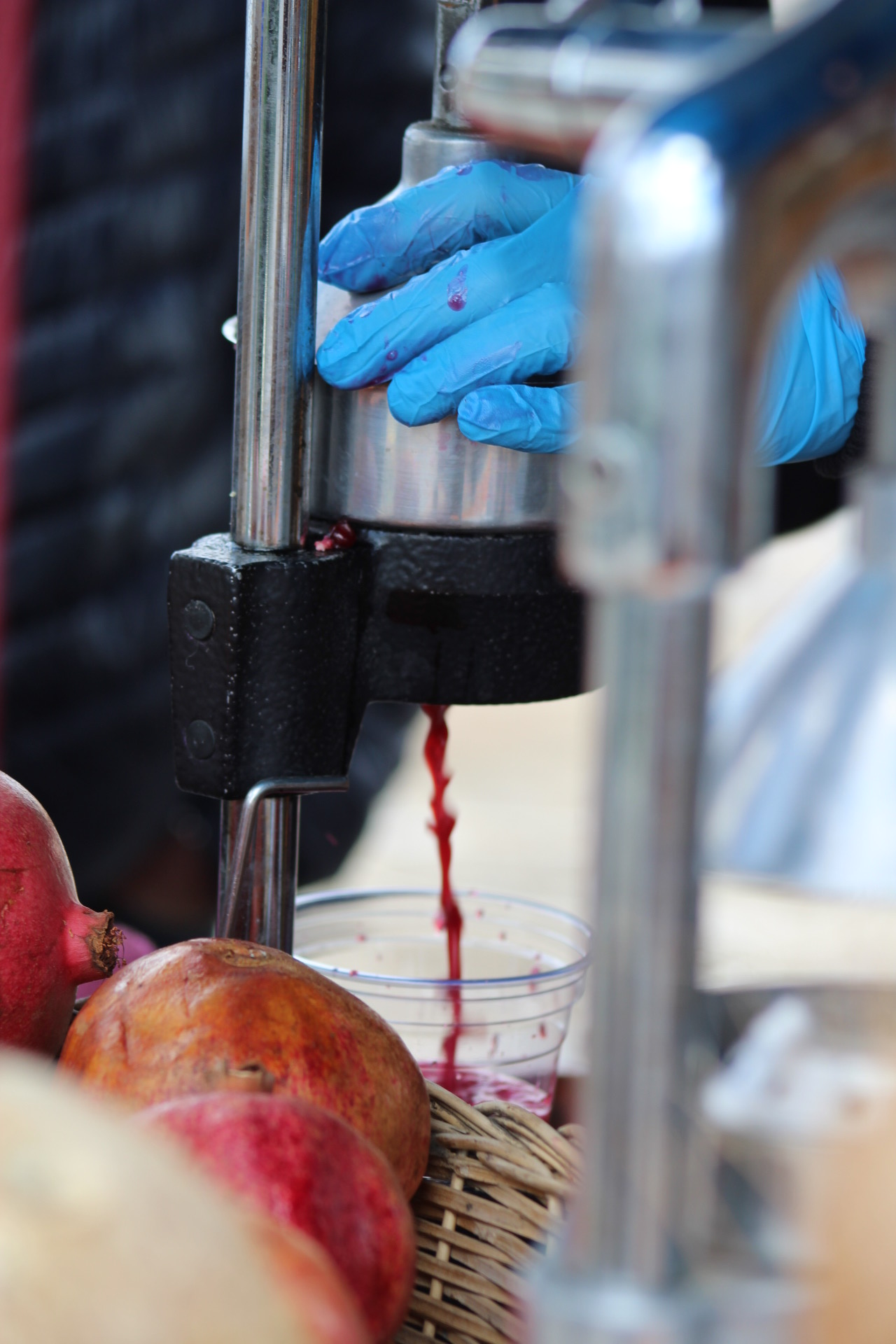
Rewind to 2019: on our way back home from Bangladesh, my dad and I had a six-hour layover in İstanbul. Deciding we would use the time to venture out and quickly see as much of the city as we could before boarding our connection back to the states, we soon came to realize that such a magnificent place, which was new to us, demanded its own, separate, dedicated trip. In fact, as we explored, it was as if the city’s glittering gold minarets, its ruby-red pomegranate juice stands and their animated attendees, and its bustling Eurasian crowds among the narrows of its hillside cityscapes—all against the gleaming, sapphire backdrop of the Bosphorus Strait—were all glaring down at us, silently asking how we could possibly think we could spend only a few hours in İstanbul and dare to call it a proper visit.
Our brief first time there left a powerful impression, evidenced by how hard it was to leave. I vowed to come back. And three years later, I did: revisiting its food, sights, and people—and this time, for ten days instead of three rushed hours.
İstanbul, and Türkiye, in general, is where east meets west. That is how it’s spelled now, by the way. Turkey officially changed its international name to Türkiye following a request by the Turkish government to the United Nations in June 2022.
From the moment I first stepped on Turkish soil—and actually, even before, through a few Turkish home cooks I follow on YouTube, I was struck by the blend of cultures and unique hospitality of this country.
In this post, I’ll be revisiting my favorite foods, places, and moments from the trip, with an emphasis on the photographic gems I was able to pick up on my time there. They were hard to narrow down, but hopefully this selection will give you a taste of Türkiye and illustrate why I highly recommend a trip to anyone who hasn’t been.
Spices, Simits, and Sweets: the Turkish Table
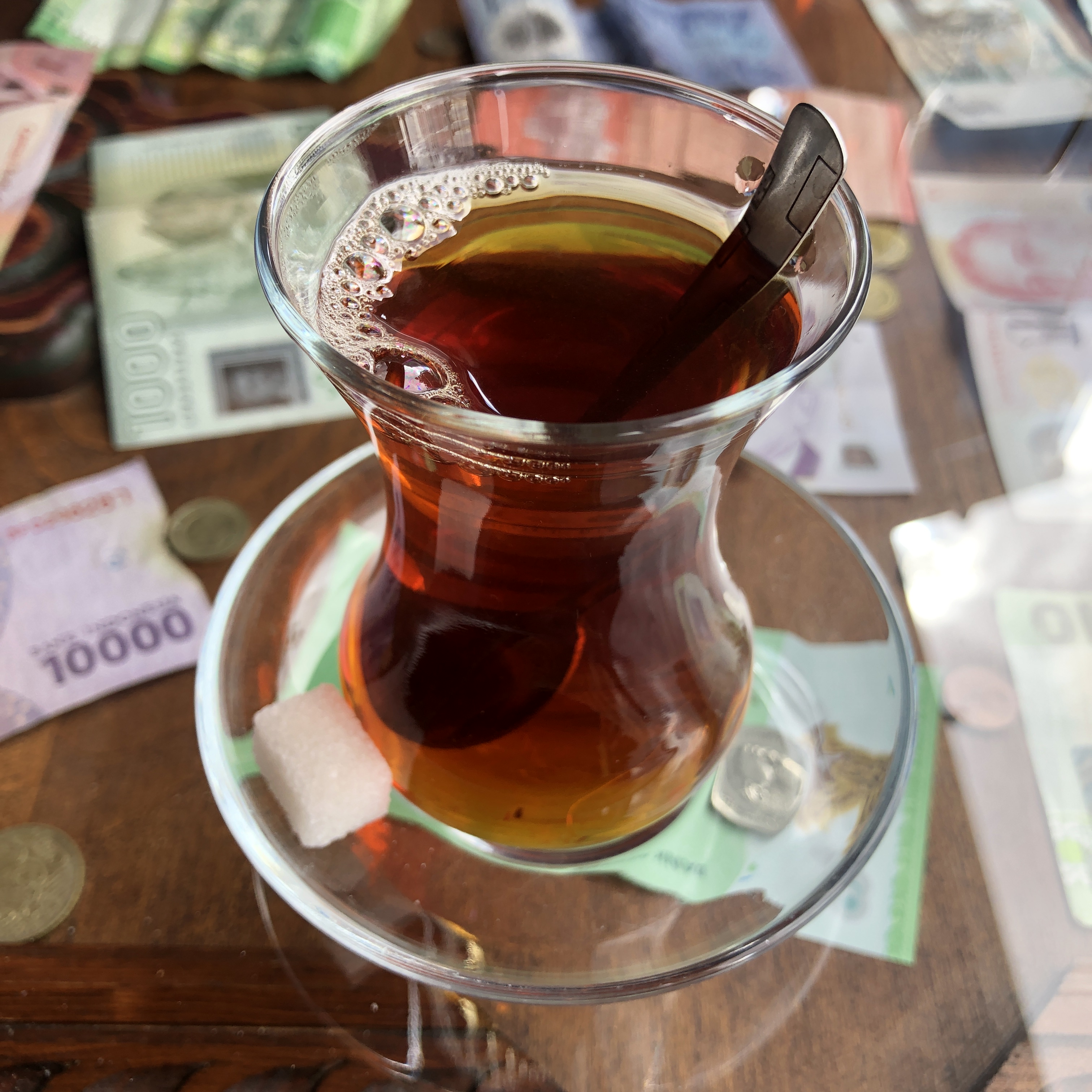
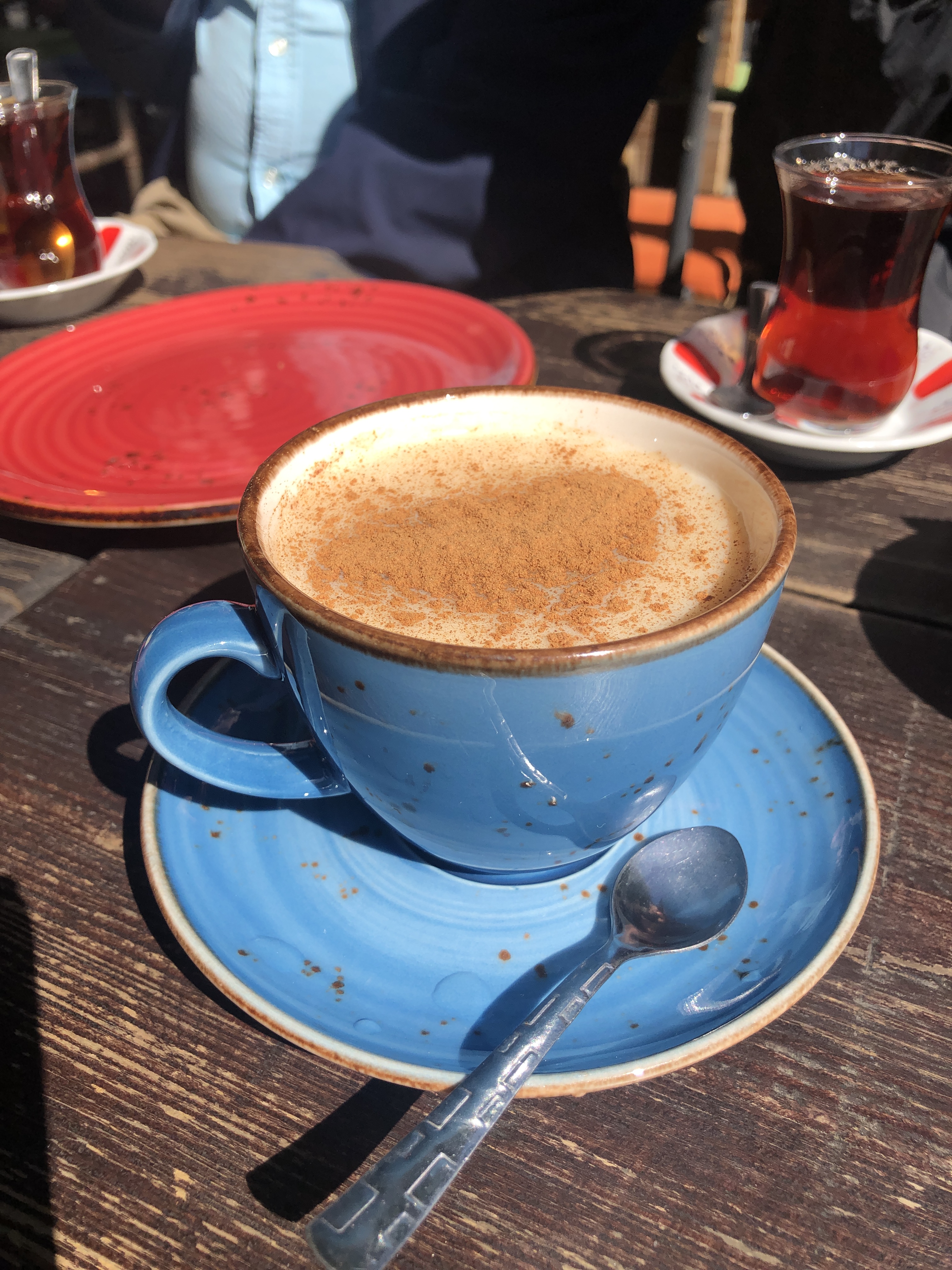
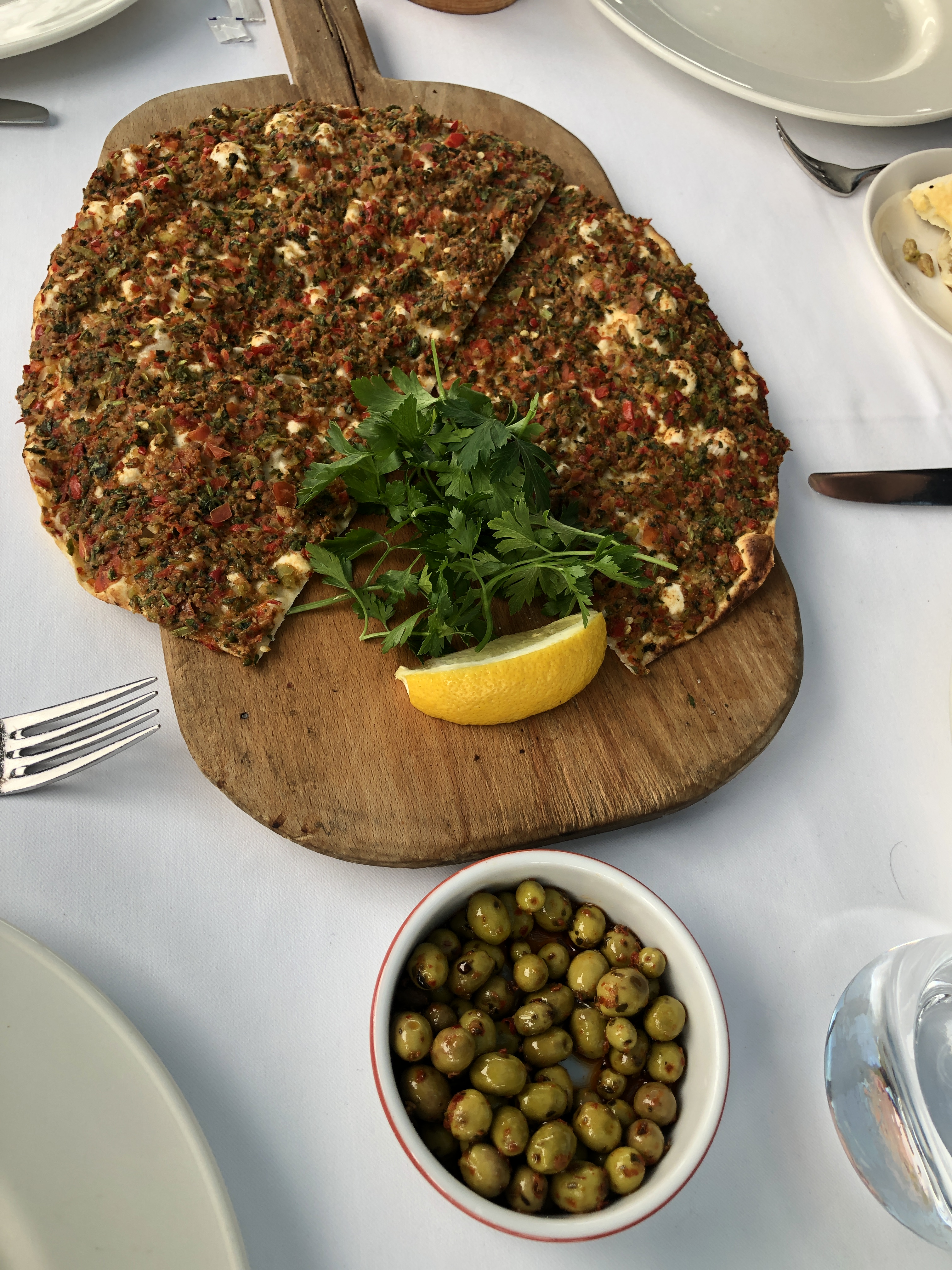
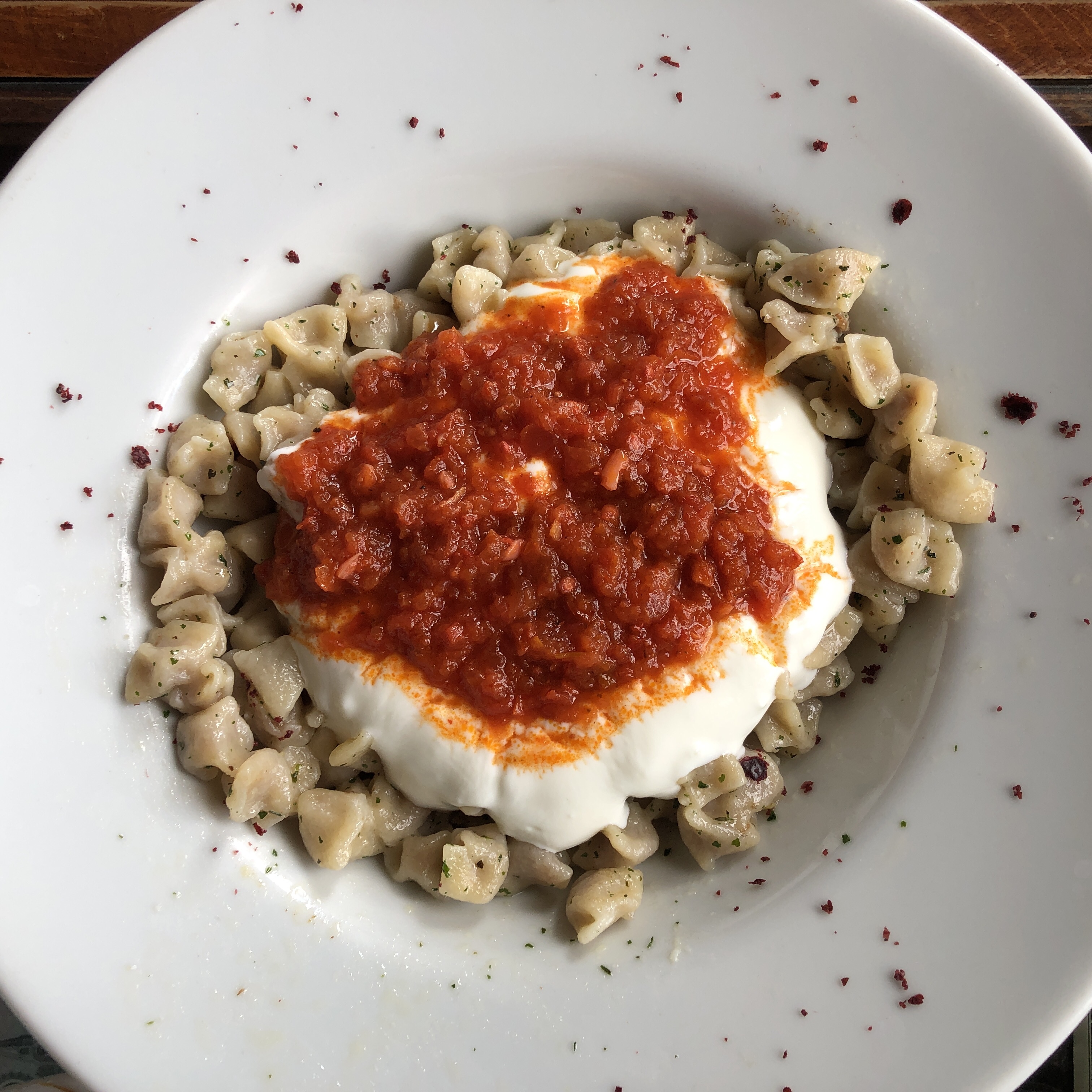
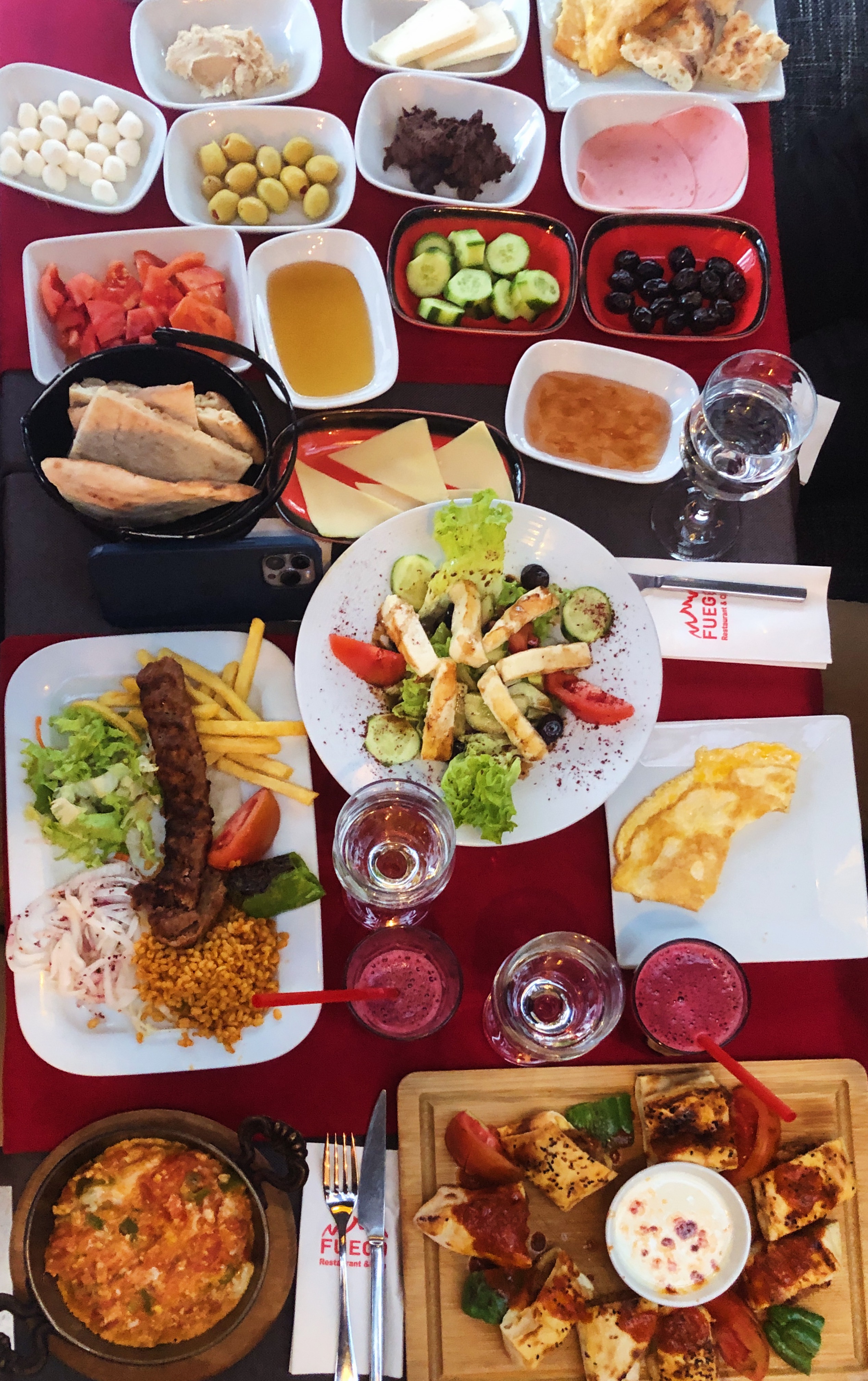
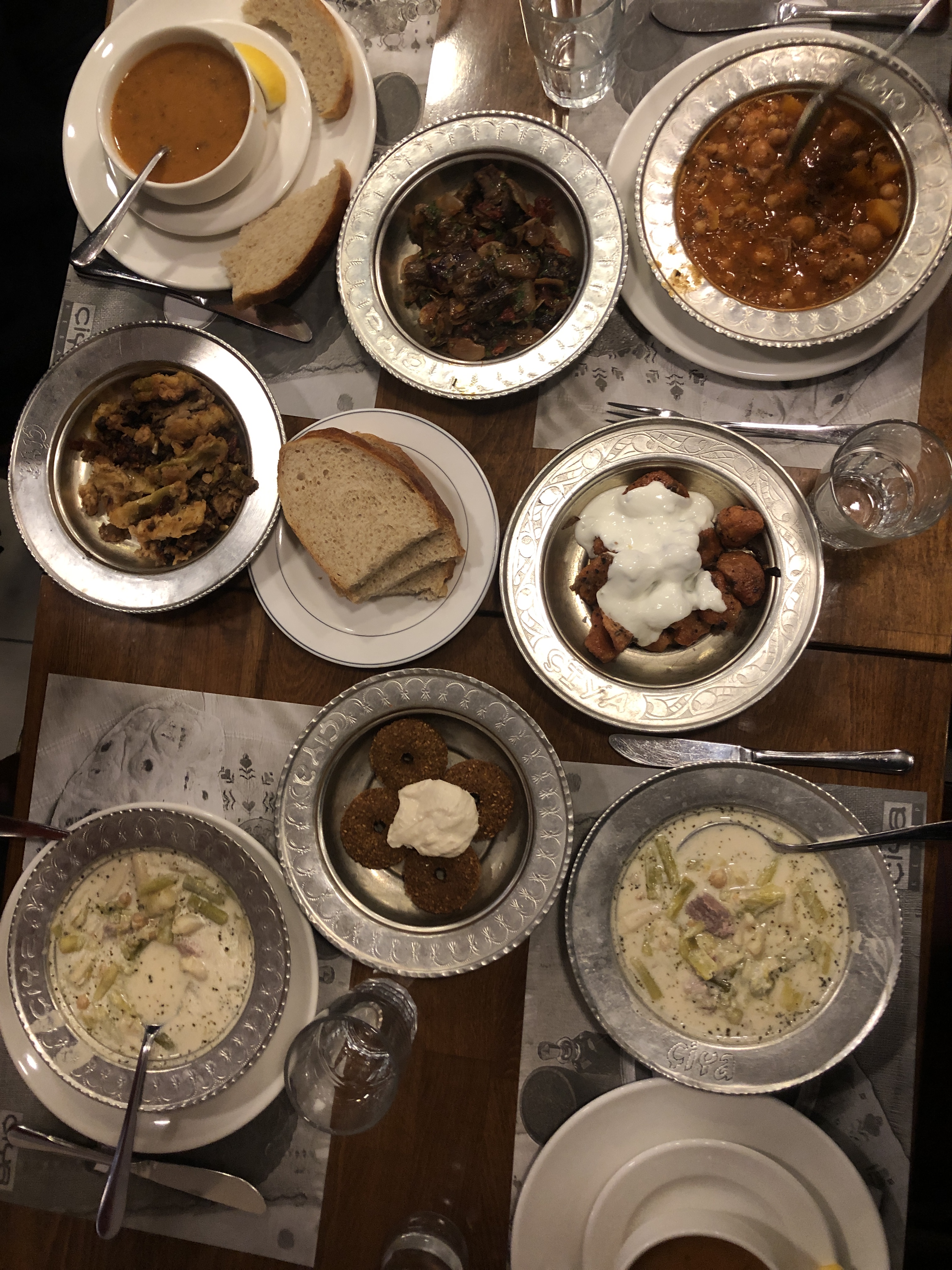
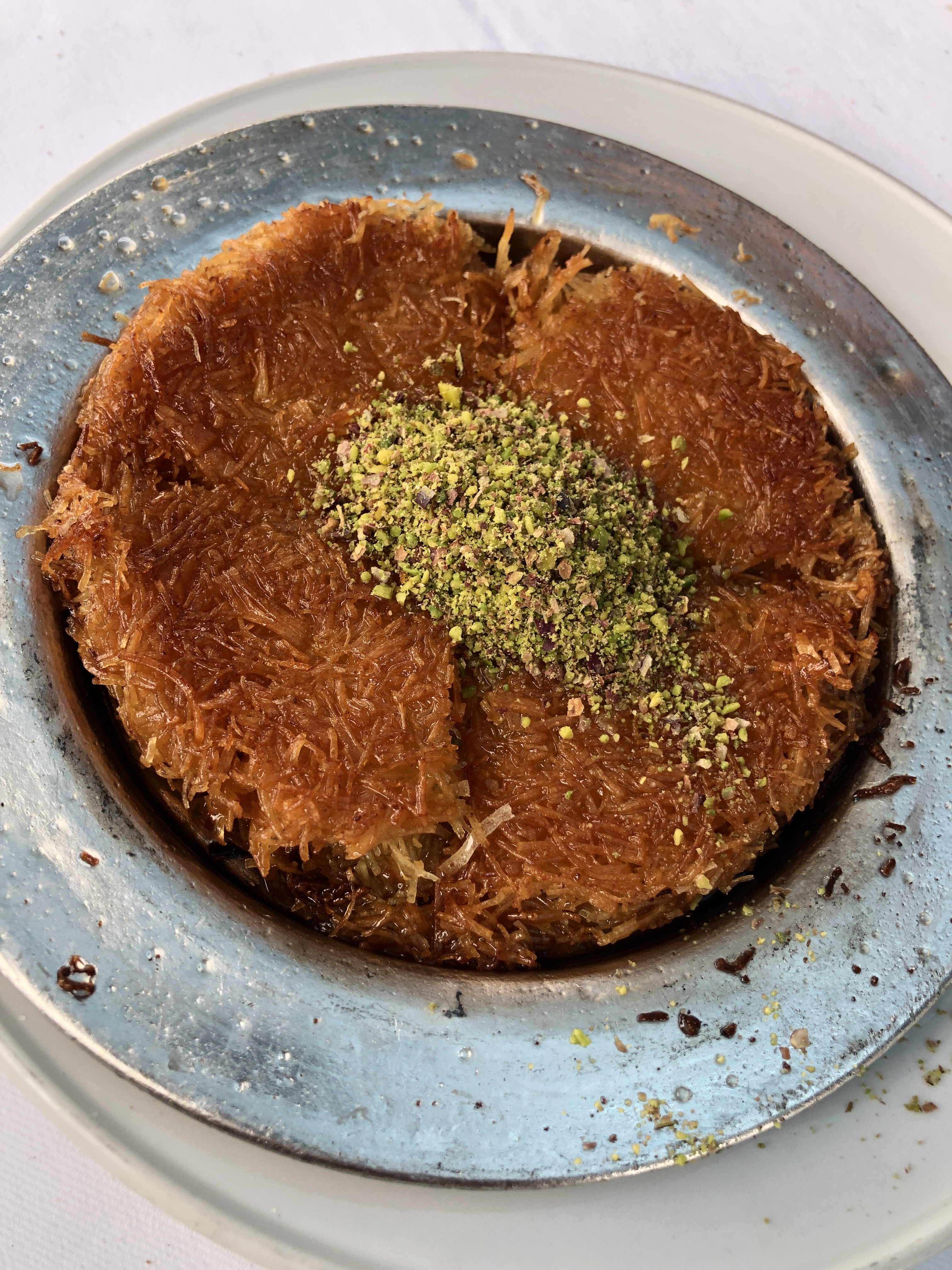
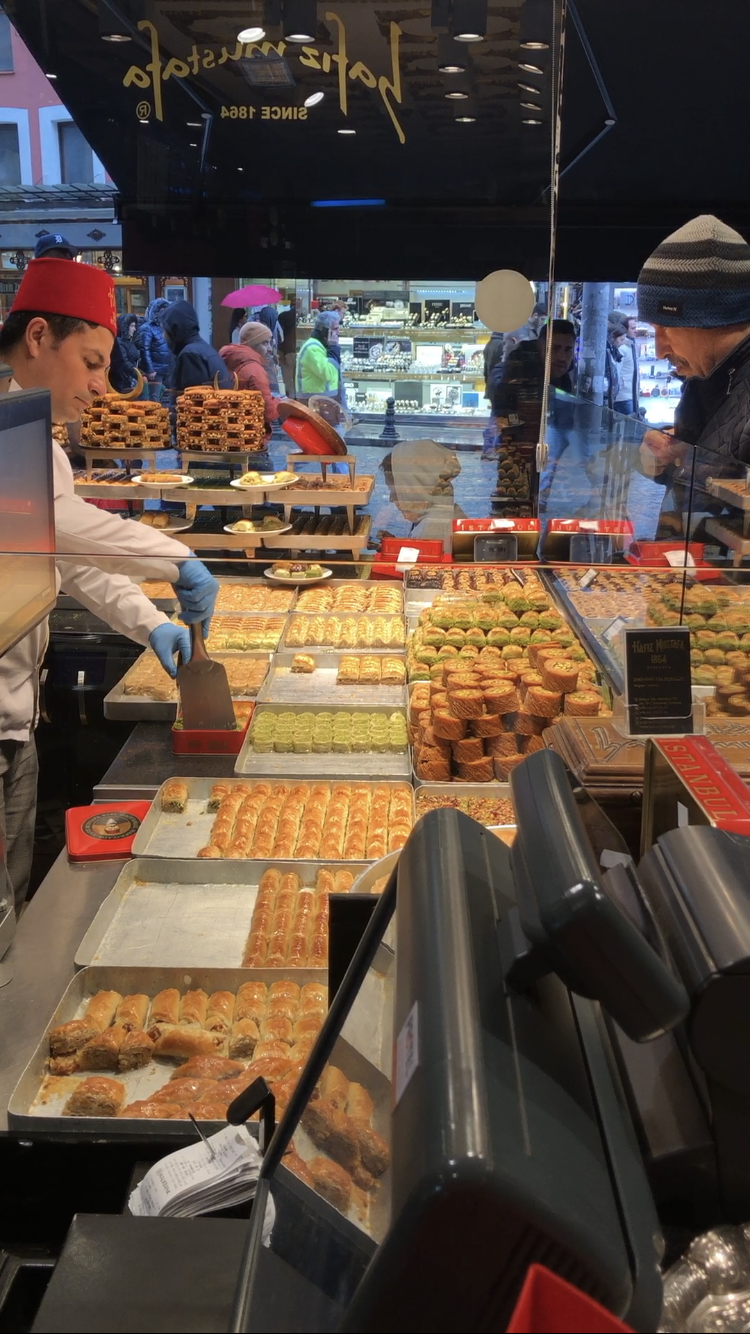
Food in Türkiye is more than just tasty; it comes with connection and community. Meals are generous, unhurried, and rooted in regional pride.
- Çay and Salep: Turkish black tea (çay) is served piping hot in delicate tulip-shaped glasses, offered everywhere from high-end cafés to carpet shops as a fundamental gesture of welcome. Salep, a creamy, cinnamon-dusted winter beverage made from wild orchid tubers, was historically prized in the Ottoman palace for its warming, digestive properties.
- Mercimek Çorbası ve limon (Lentil Soup with lemon): Velvety, warming, and finished with a squeeze of fresh lemon and a drizzle of chili-infused melted butter. It is so central to everyday life that soup shops (çorbacı) across the country stay open 24 hours a day to feed early workers and late-night revelers alike. It was one of the first things I ate in Türkiye.
- Lahmacun: Often referred to as “Turkish pizza,” this ultra-thin flatbread is topped with finely minced lamb, onions, tomatoes, and herbs, baked in a stone oven until blistered. You roll it up tightly with fresh parsley and lemon juice before eating.
- Mantı: Tiny, handmade dumplings stuffed with spiced ground meat, boiled and crowned with cold garlic yogurt and warm paprika oil. Traditionally, a prospective bride’s culinary prowess was judged by how small she could fold her mantı—legend says forty should fit into a single wooden soup spoon.
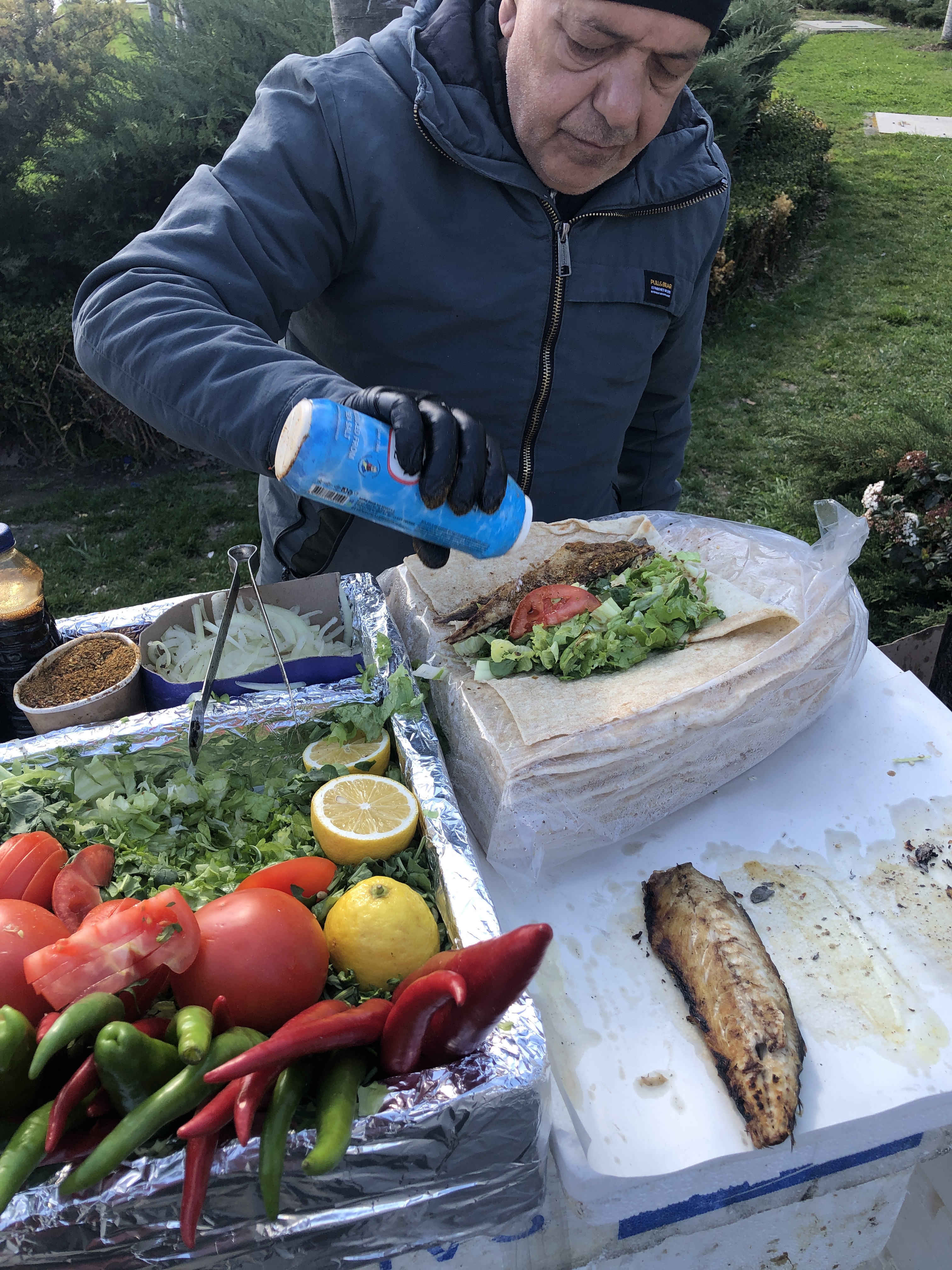
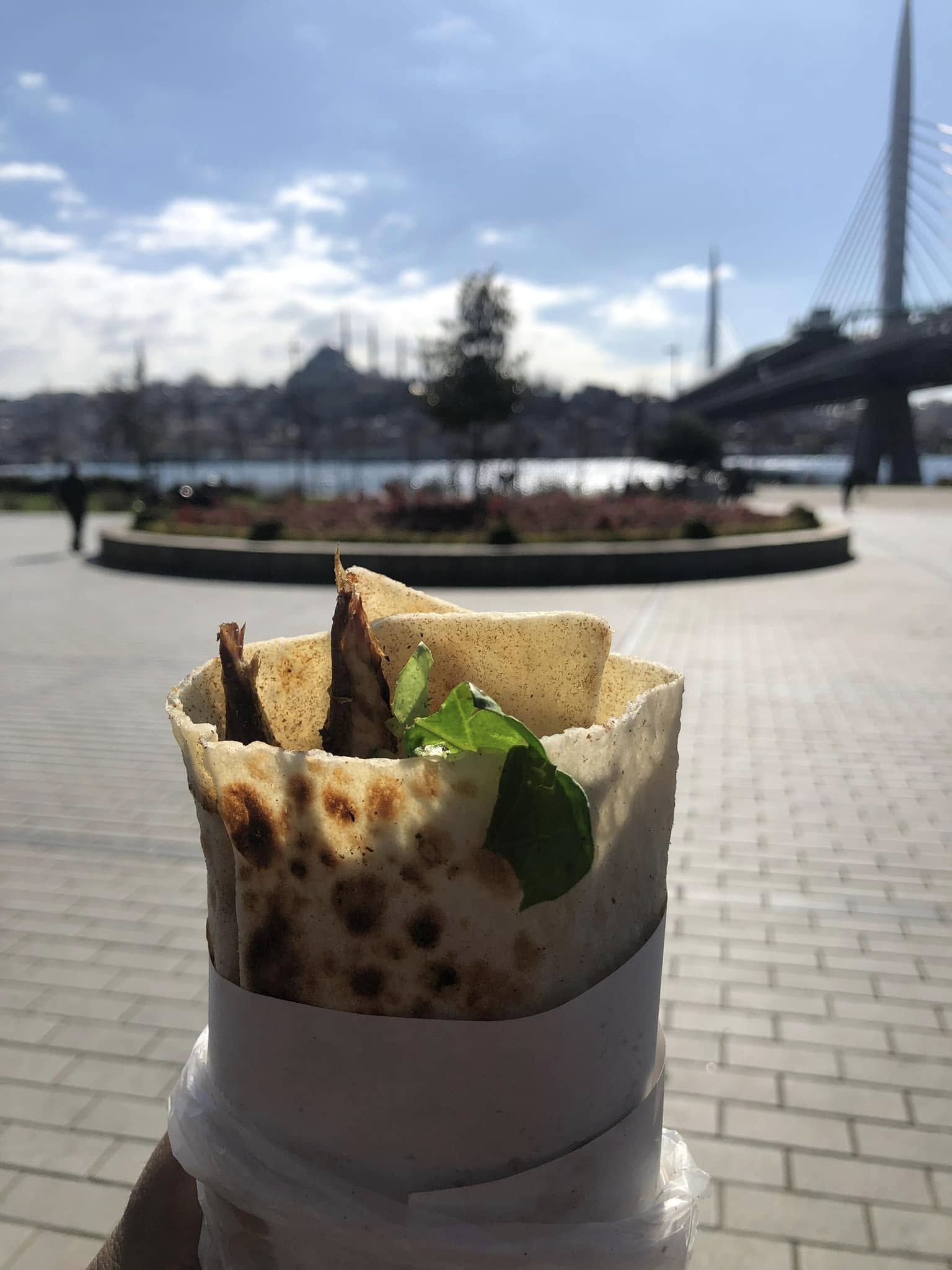
- Balık Dürüm (Fish Wrap): Fresh mackerel grilled over charcoal along the Karaköy docks, rolled into flatbread with crisp greens, sumac-dusted onions, and pomegranate molasses. It is street-food perfection born straight from the waters of the Bosphorus.
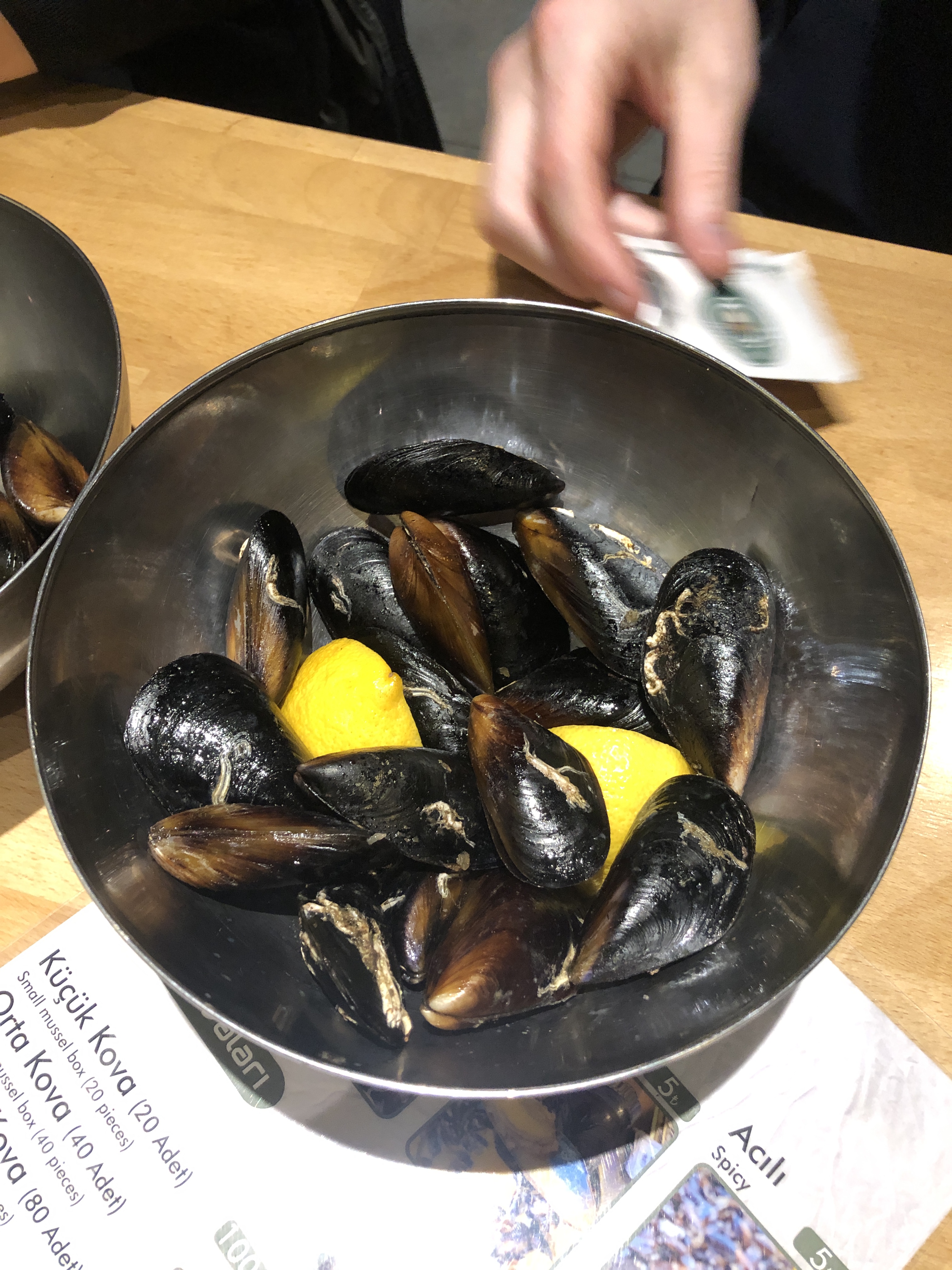
- Midye Dolma (Stuffed Mussels): Plump black mussels stuffed with aromatic, spiced rice, pine nuts, and currants, sold along street corners late into the night. Street vendors crack them open, spritz them with fresh lemon, and hand them directly to you in the shell.
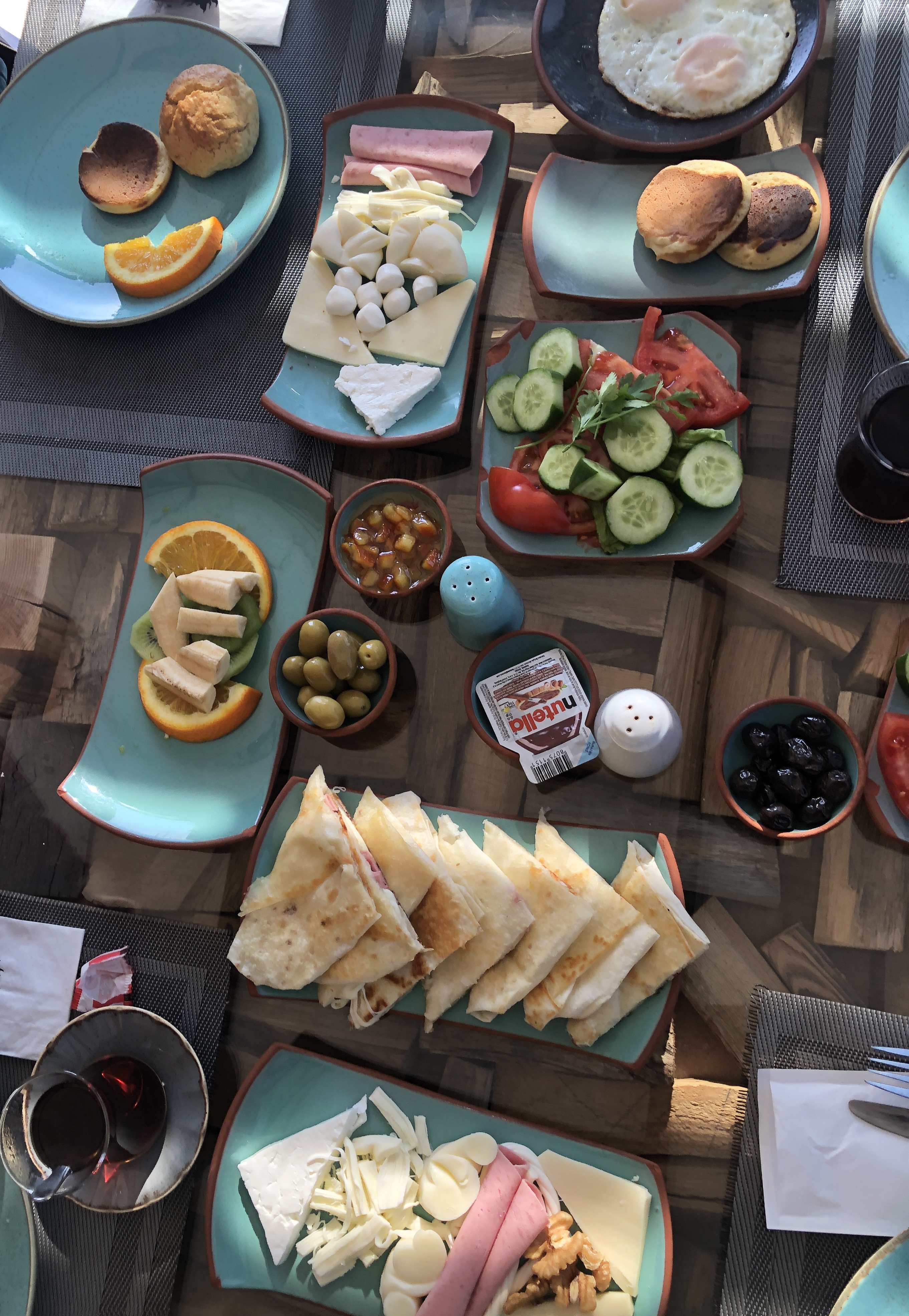
- Serpme Kahvaltı (Turkish Breakfast Feast): Less a breakfast, more a sensory marathon. The table vanishes beneath small plates: white cheeses, aged kaşar, black and green olives, honeycomb, clotted cream (kaymak), sliced cucumbers, and menemen (soft eggs scrambled with tomatoes, peppers, and oregano).
- The Anatolian Lunch Spread: An afternoon midday spread is built around balance: grilled skewers of minced Adana kebab, cured beef sausage (sucuk), wood-fired pide flatbreads, and çoban salatası (shepherd’s salad dressed in olive oil and tangy sumac).
- Traditional Evening Stews and Mezes: Turkish dinners shine through slow-cooked clay-pot stews like Güveç (meat and spring vegetables simmered over embers) and hearty beans (Kuru Fasulye), alongside tables packed with mezes, charred eggplant dips, and crisp herbed chickpea falafel patties.
- Künefe: Spun shredded pastry (kadayıf) encasing a layer of unsalted, stretchy melting cheese, pan-crisped to golden brown, soaked in light sweet syrup, and dusted with crushed Gaziantep pistachios. Eaten hot, it delivers the ultimate balance of crunch, stretch, and savory-sweet richness.
Both Sides of the Bosphorus: Top Stops in İstanbul and Capadoccia
Our journey took us from the layered, dense neighborhoods of historic İstanbul to the surreal, windswept martian landscapes of central Anatolia.
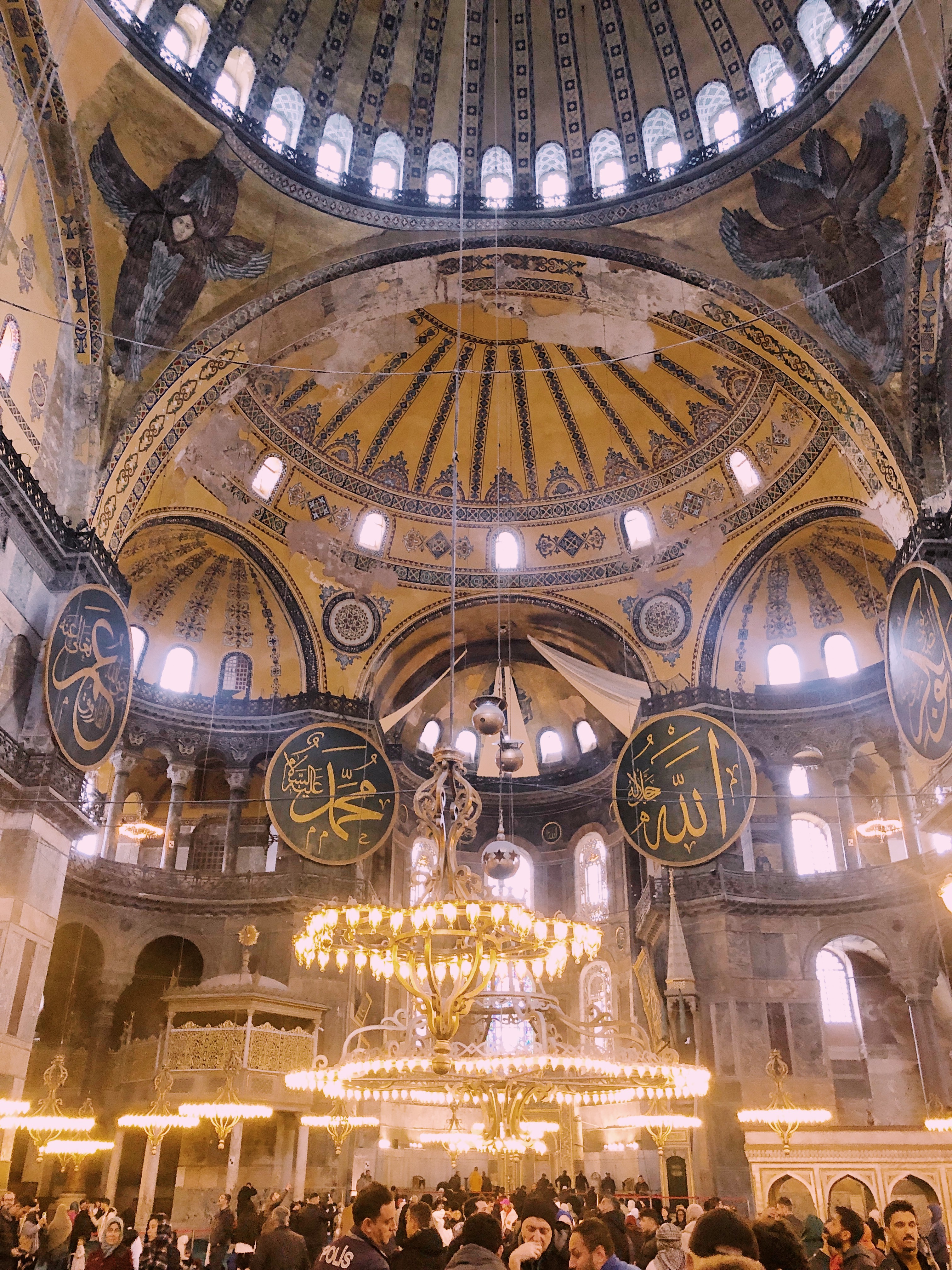
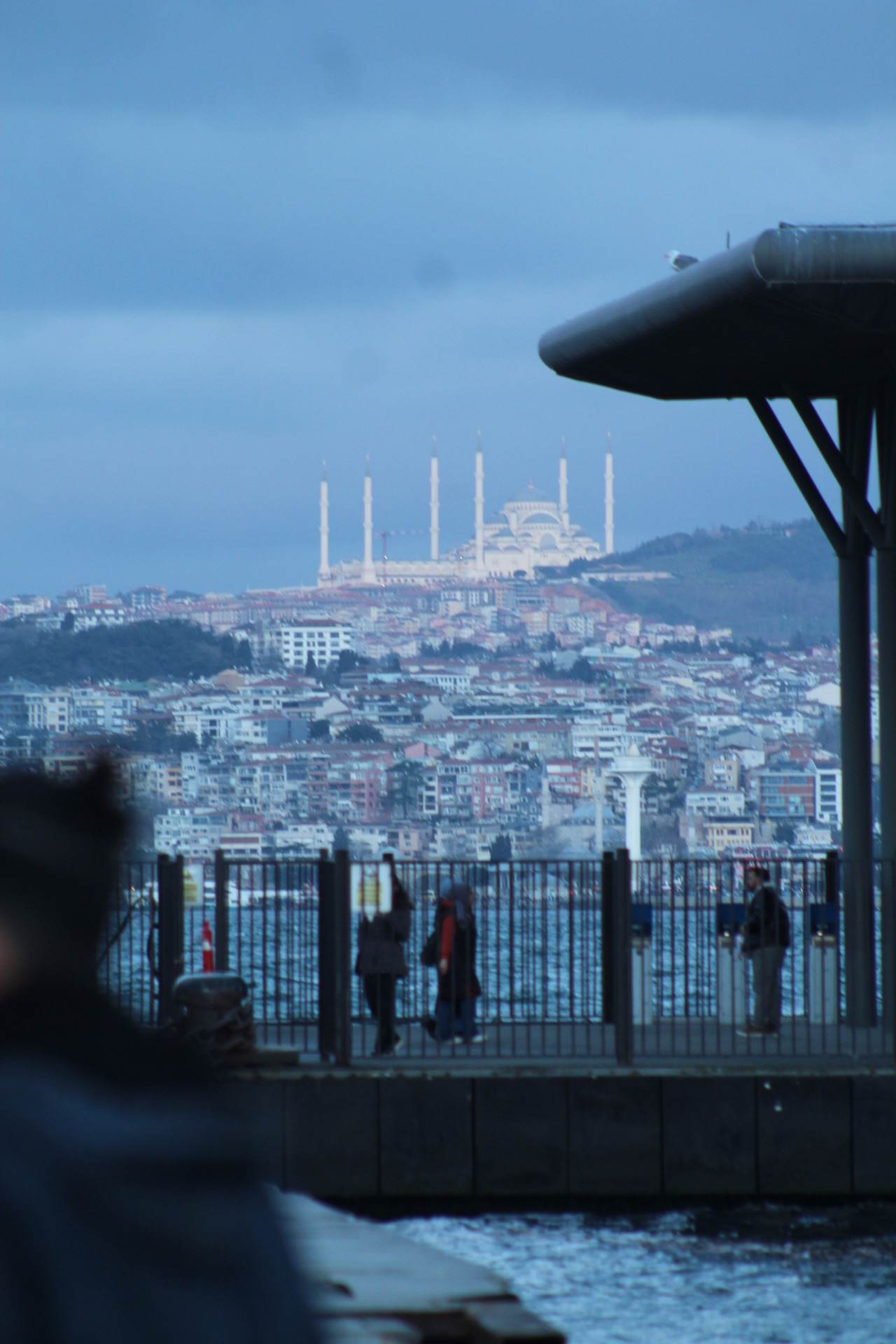
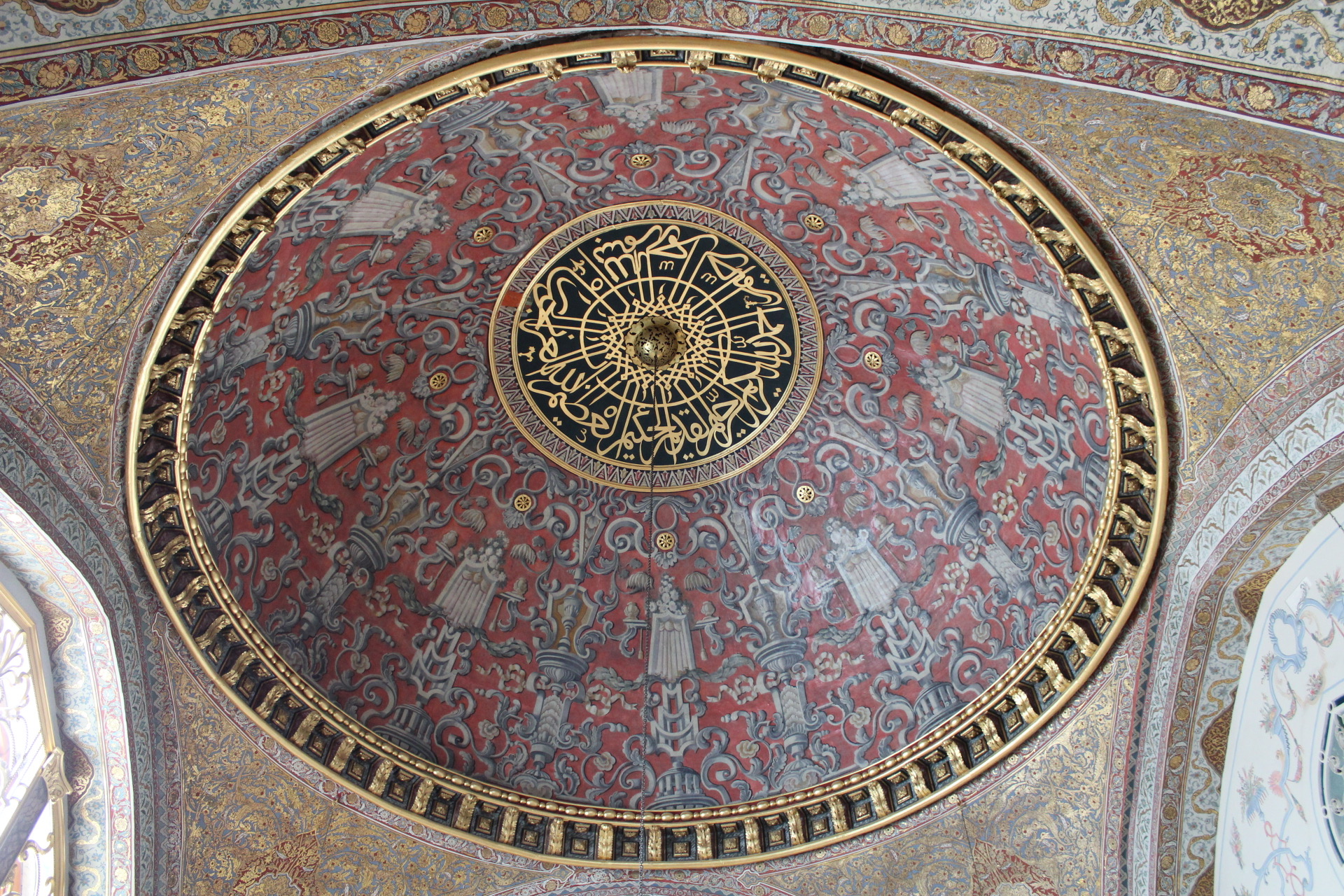
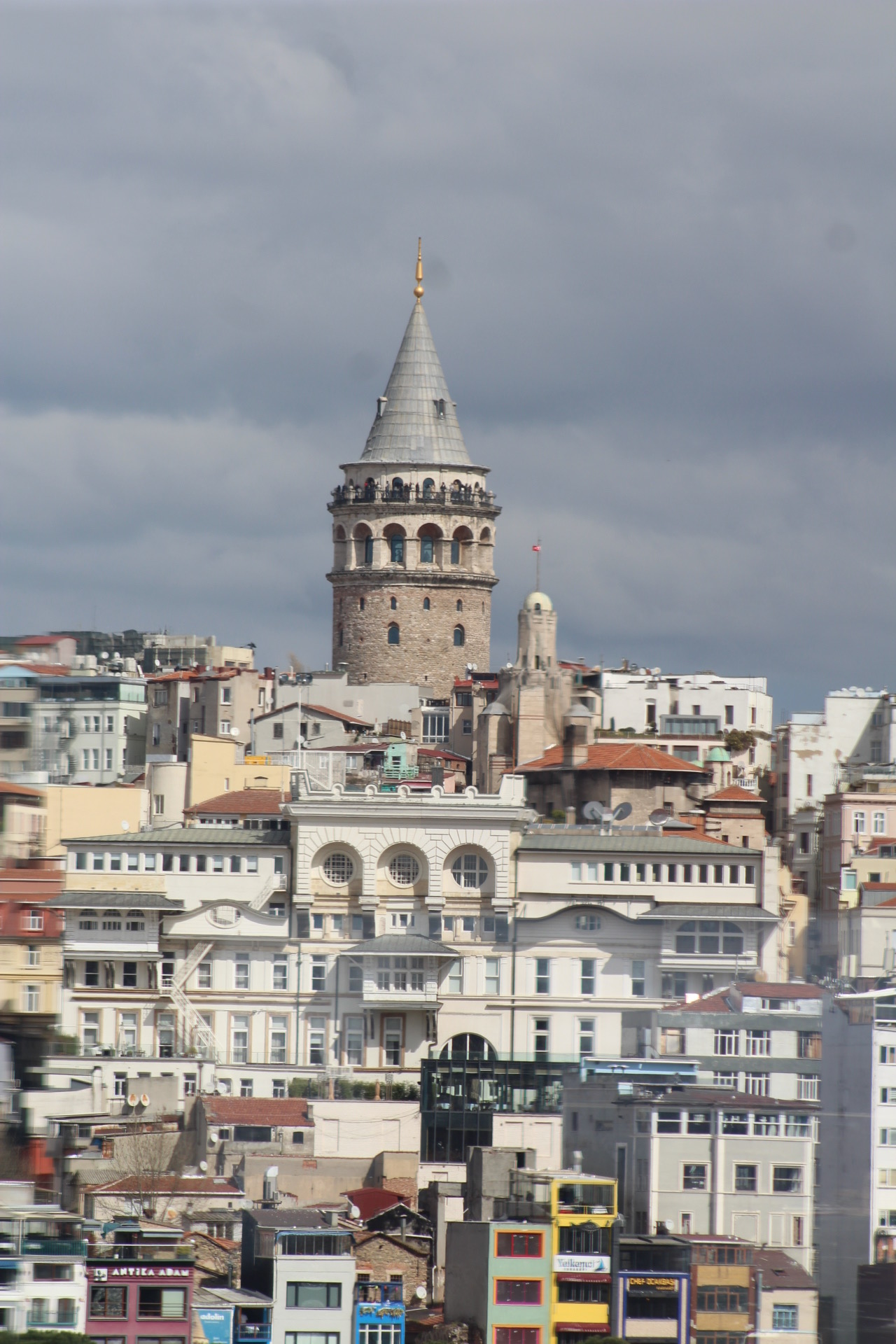
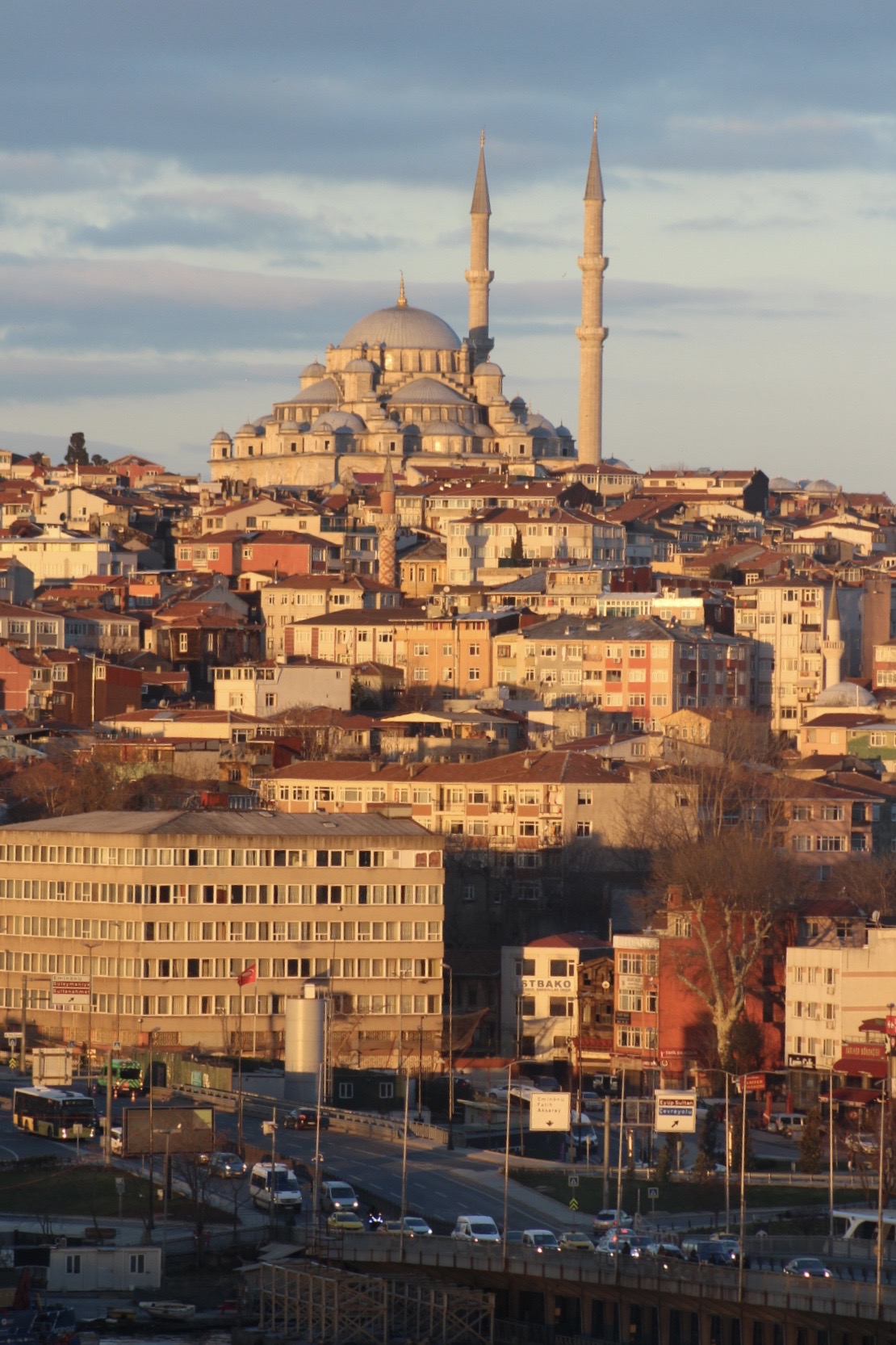
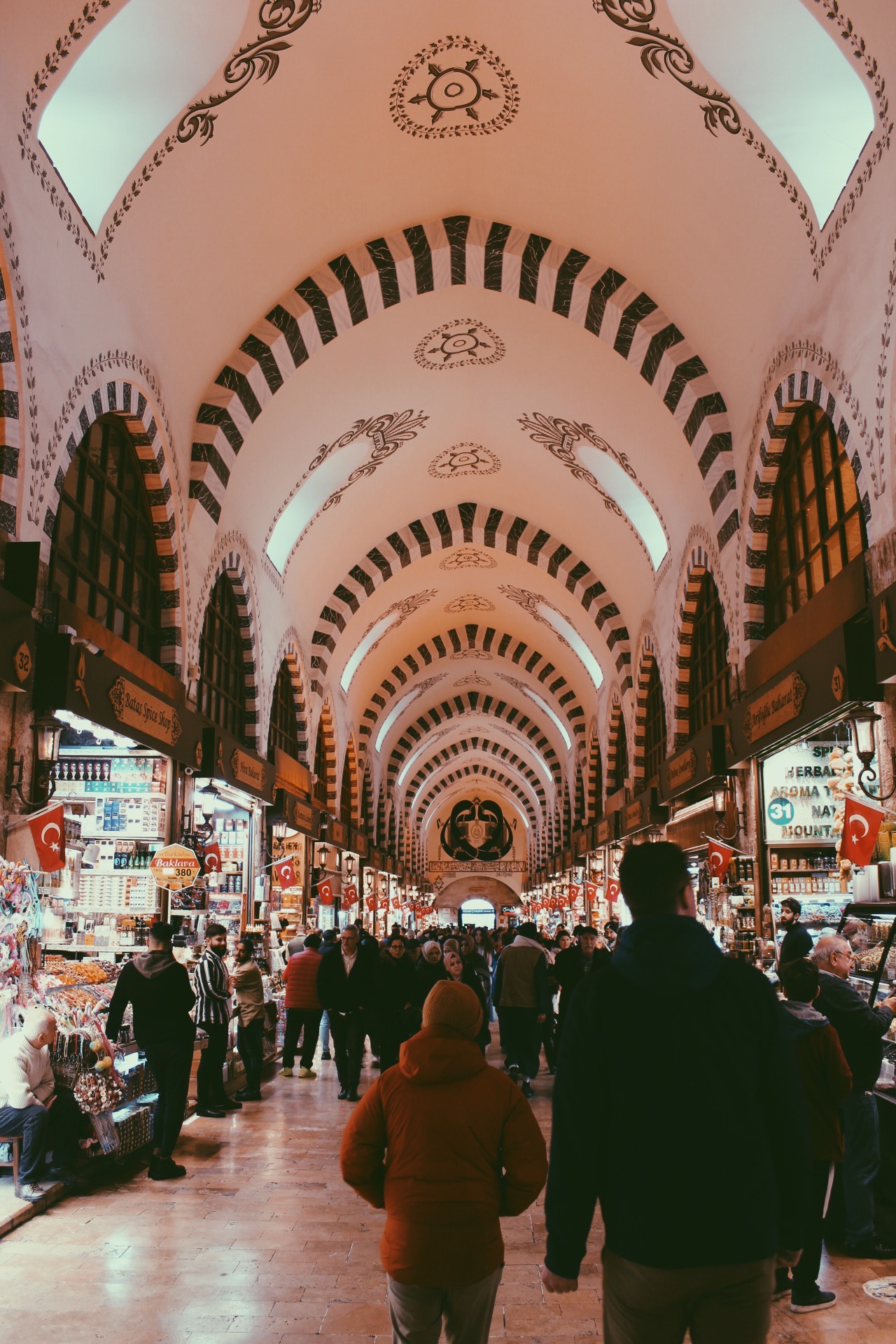
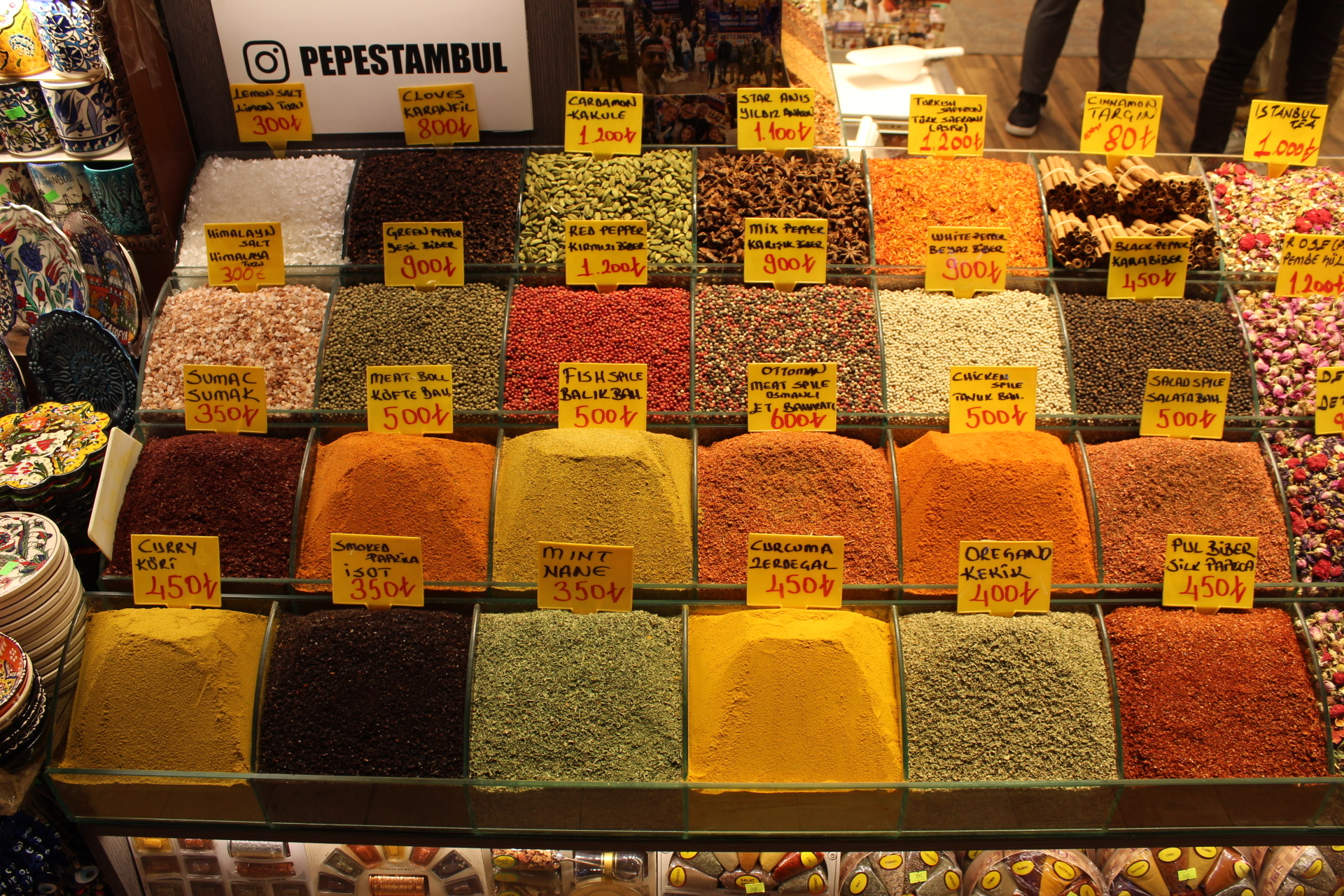
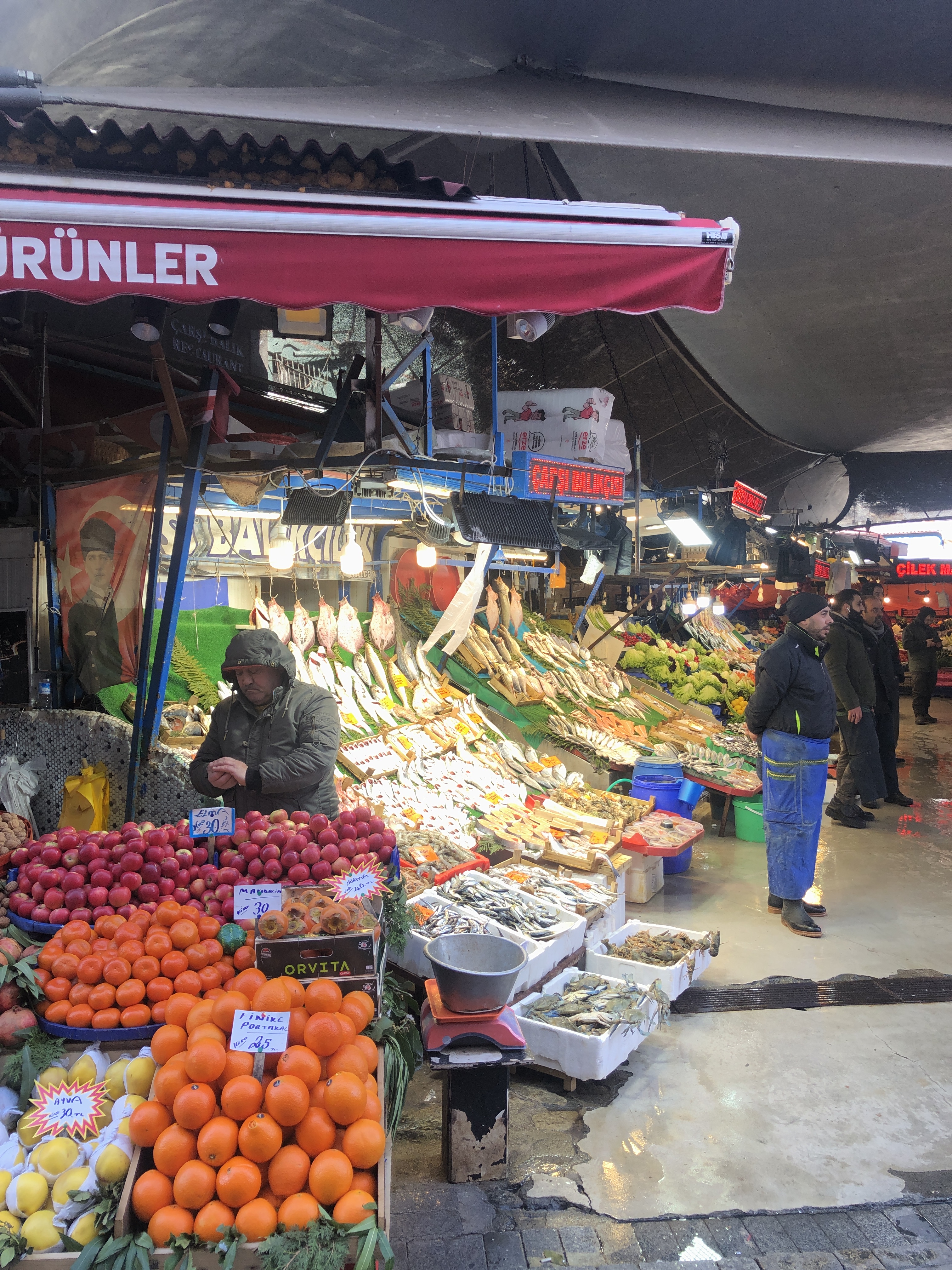
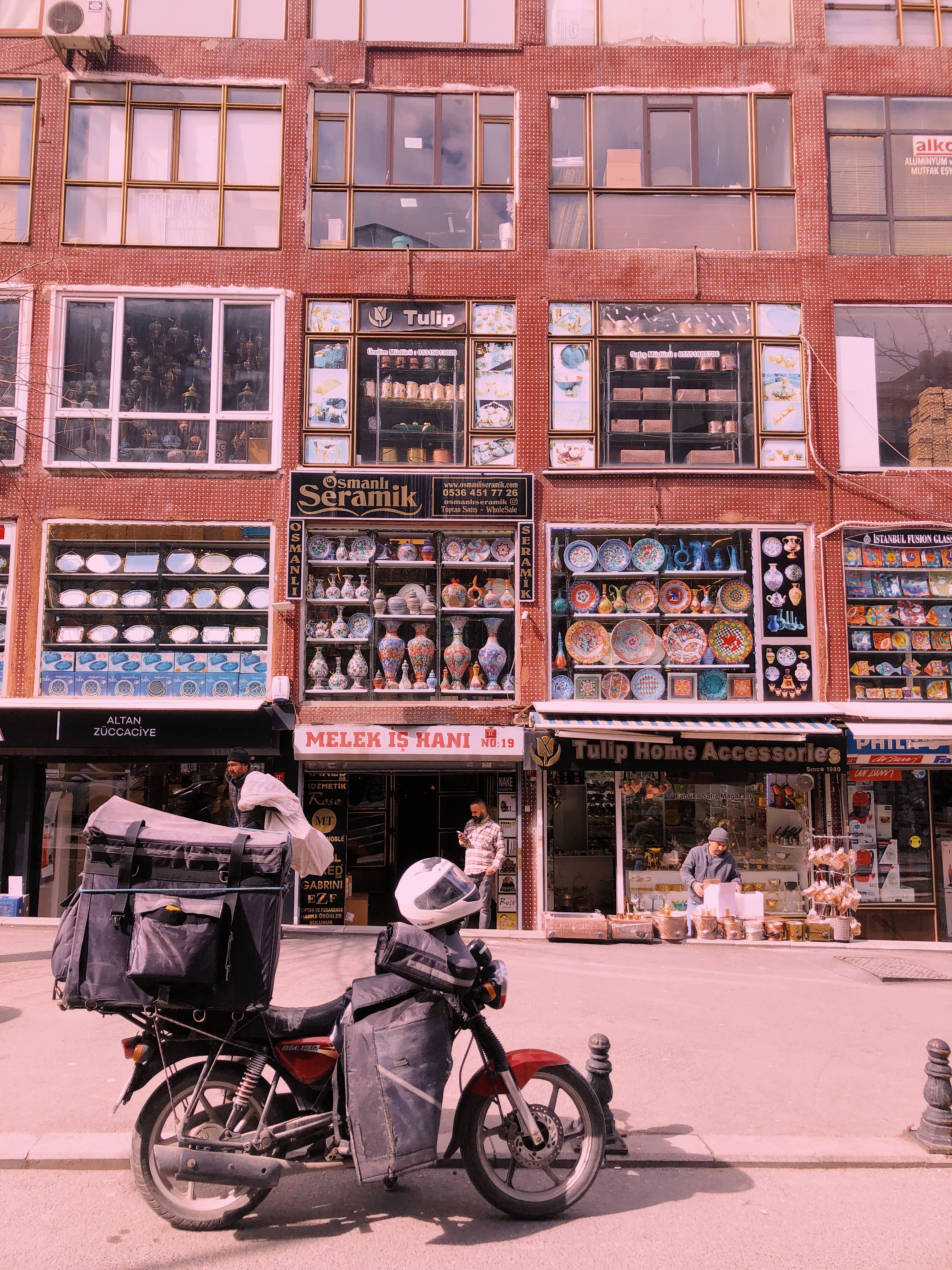
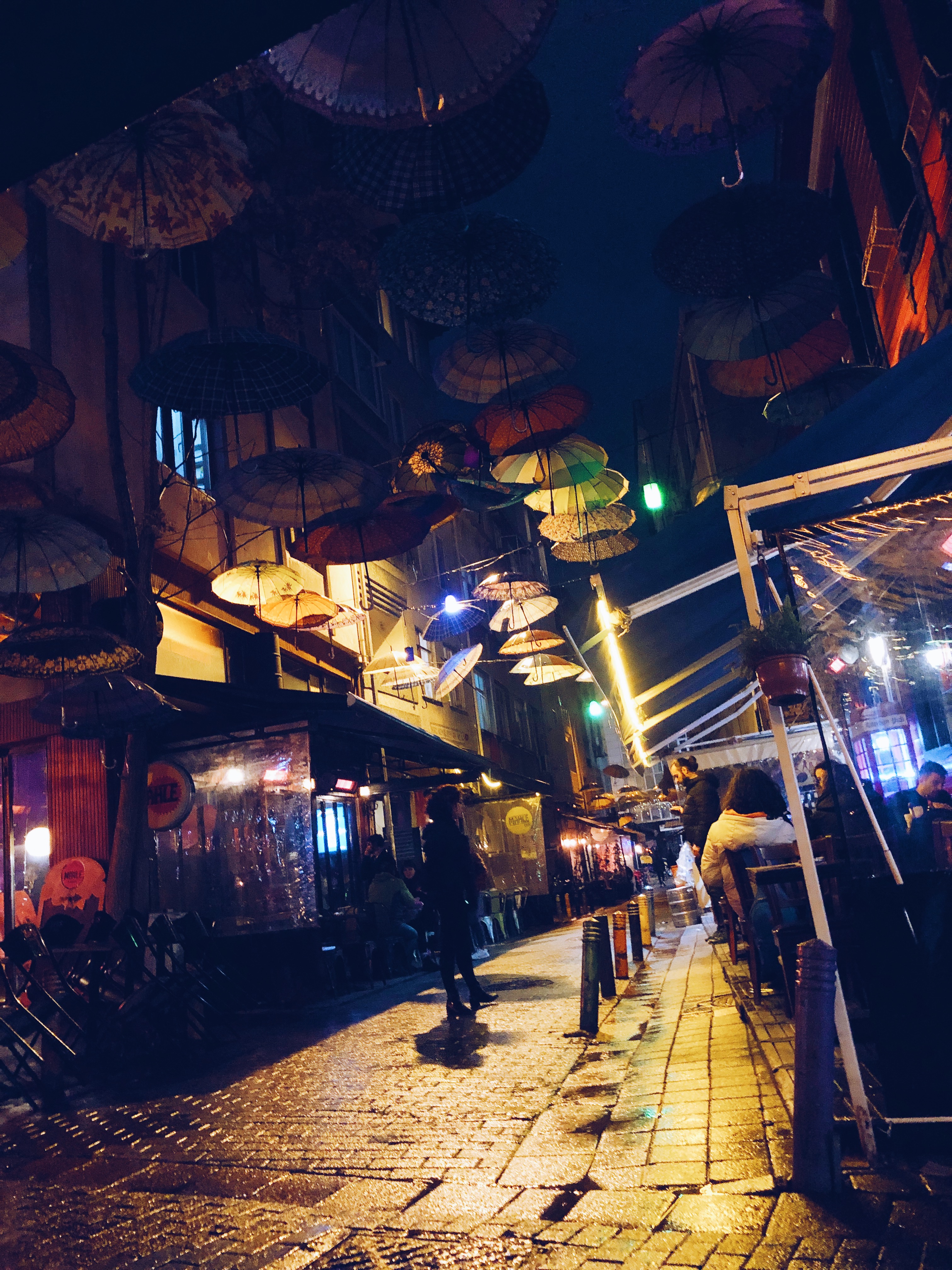
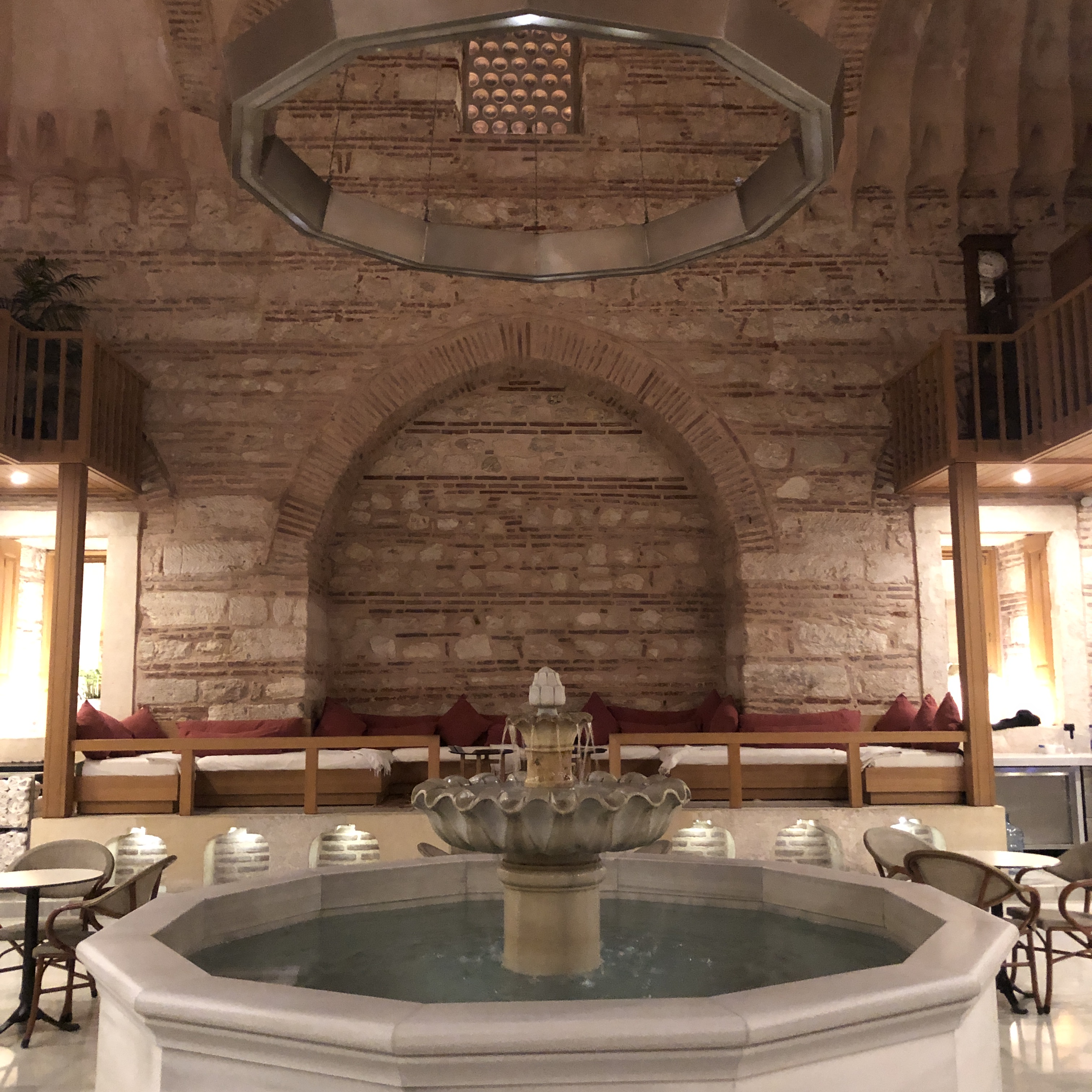
In İstanbul:
- Hagia Sophia & The Blue Mosque: Facing each other across a manicured square in Sultanahmet, these two architectural giants define the skyline. Hagia Sophia has stood for nearly 1,500 years, transitioning from an imperial Byzantine cathedral to an Ottoman mosque, a secular museum, and back to an active house of worship. Across from it, the Sultan Ahmed Mosque (the Blue Mosque) dazzles with more than 20,000 hand-painted blue İznik ceramic tiles.
- Topkapı Palace: The sprawling administrative and residential seat of the Ottoman sultans for nearly four centuries. Its pavilions, courtyards, and treasury overlook the meeting point of the Golden Horn and the Sea of Marmara.
- Galata Tower: A cylindrical stone watchtower originally built by the Genoese in 1348. It offers a 360-degree panoramic view of the historic peninsula and the Golden Horn, especially stunning just before the sunset call to prayer echo across the water.
- The Grand Bazaar (Kapalıçarşı): One of the oldest and largest covered markets in the world, encompassing over 60 covered streets and thousands of shops. Step off the main arteries to find hidden courtyards (hans) where craftsmen have hammered copper and cut gems for generations.
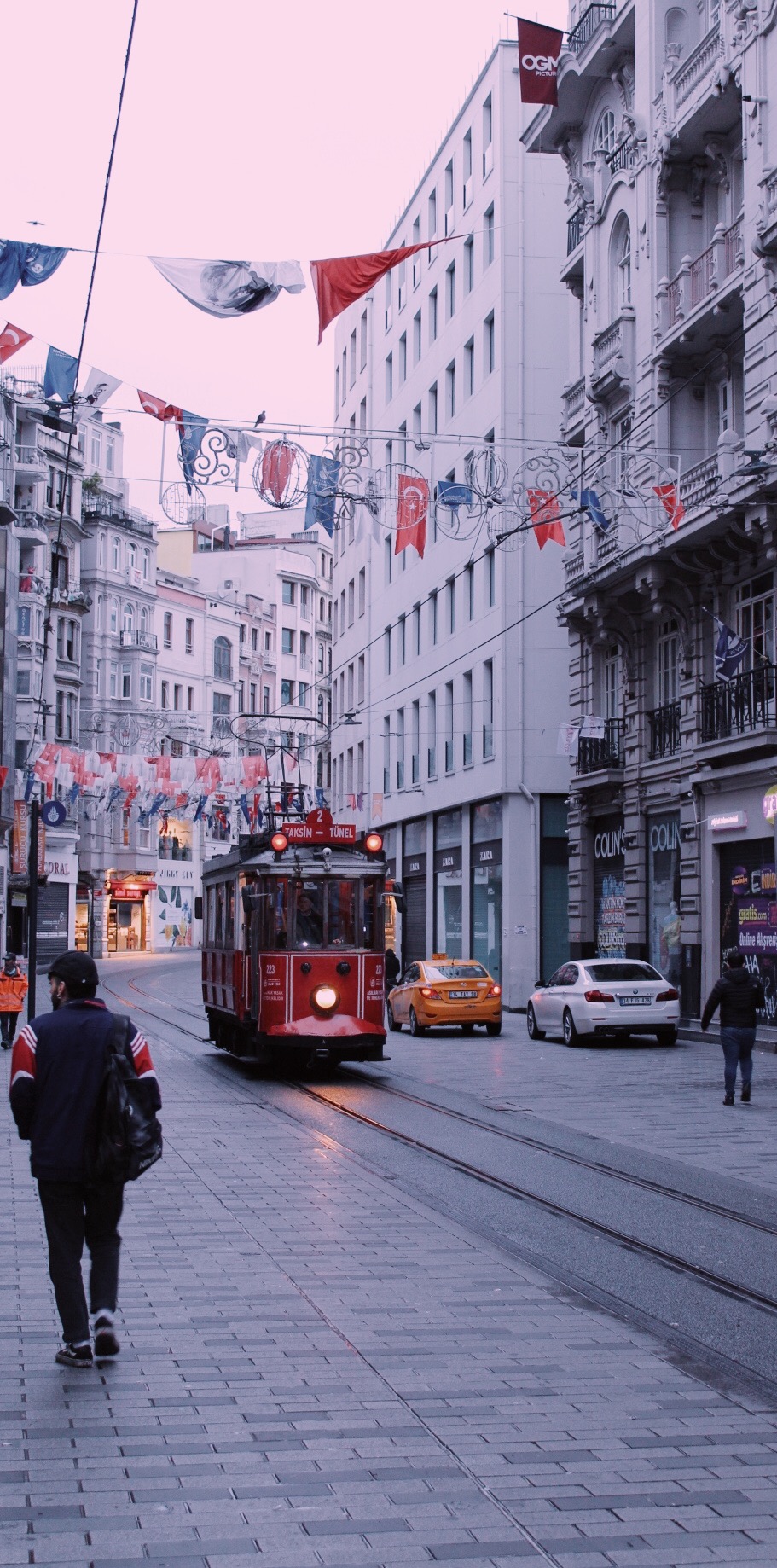
- Taksim Square & İstiklal Caddesi: The beating, modern heart of İstanbul. The pedestrian boulevard is lined with 19th-century European architecture, modern boutiques, and the iconic red vintage tram shuttling passengers down toward Karaköy.
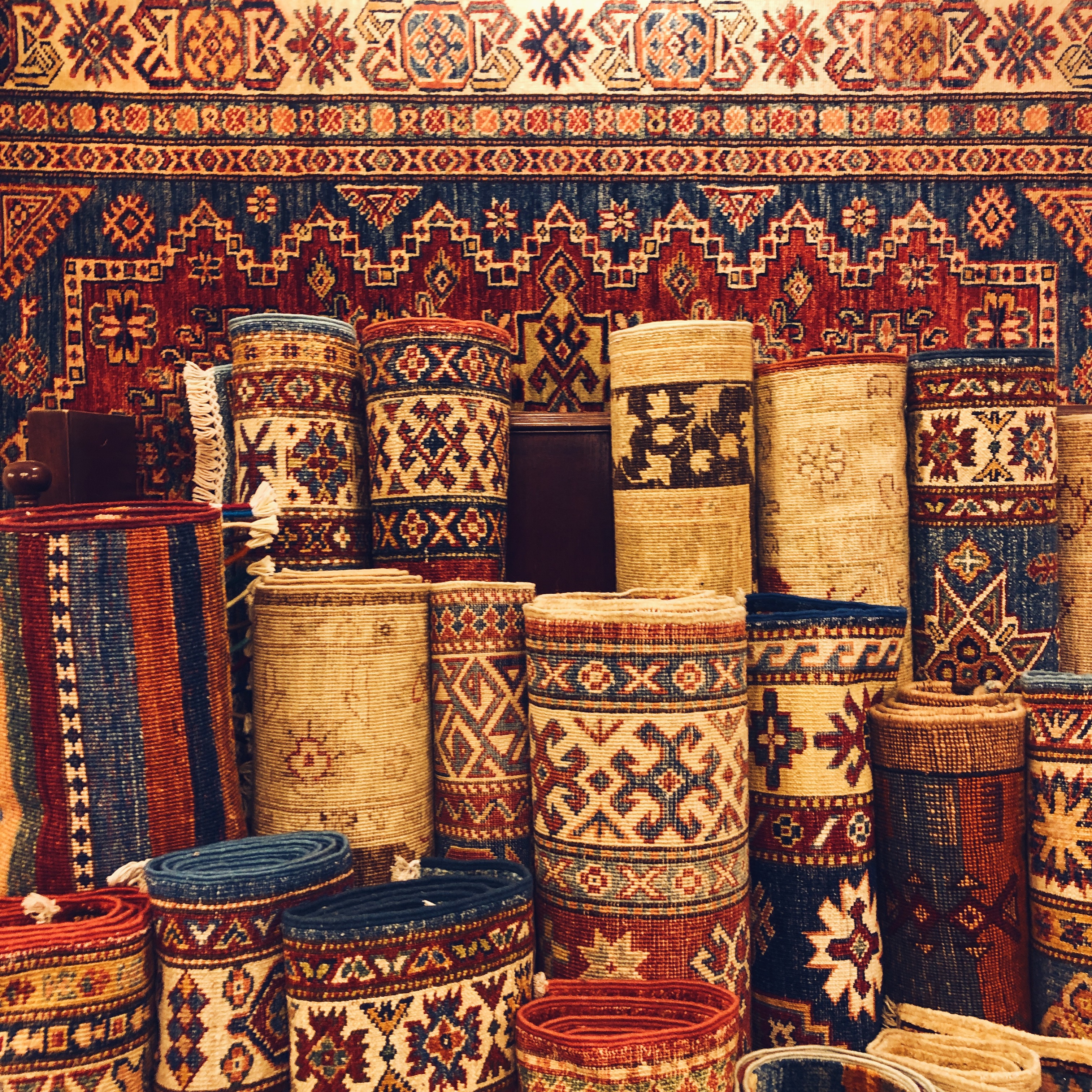
- The Rug & Kilims Quarters: Wandering through the textile alleys near Sultanahmet and the bazaar offers an education in Anatolian tribal history. Every geometric motif hand-woven into a wool kilim tells a story of fertility, family protection, or safe passage.
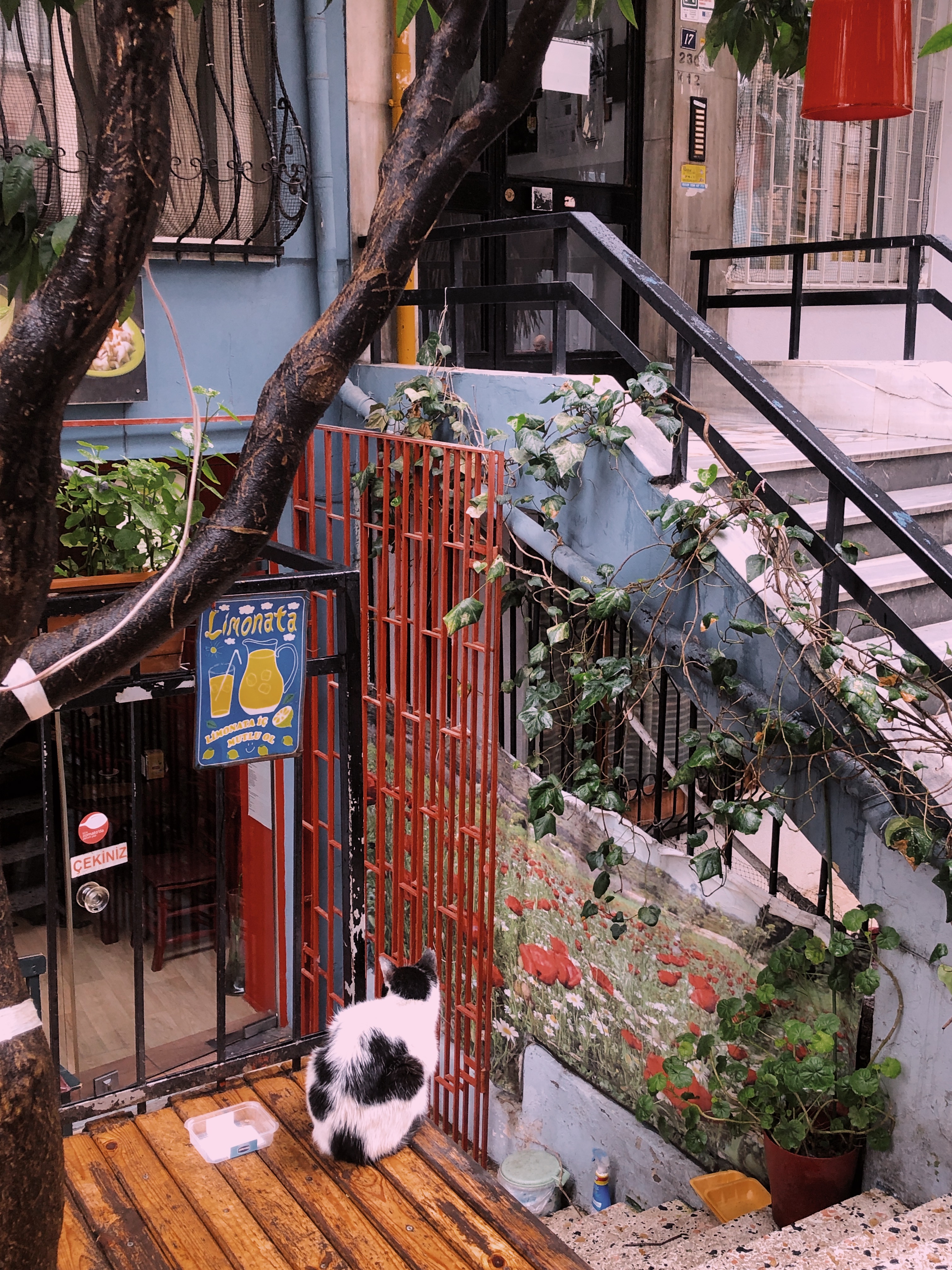
- Kadıköy & Beyoğlu After Dark: While Beyoğlu bustles with historic meyhanes (traditional taverns where raki and meze flow to live music), the Asian neighborhood of Kadıköy offers a vibrant, youthful scene packed with indie coffee bars, vinyl shops, and late-night craft pubs.
- The Historic Hamam Experience: Visiting an ancient bathhouse like Kılıç Ali Paşa Hamamı is a sensory reset: marble slabs warmed by underground furnaces, towering domed ceilings with star-shaped skylights, and a vigorous scrub that leaves you feeling reborn.
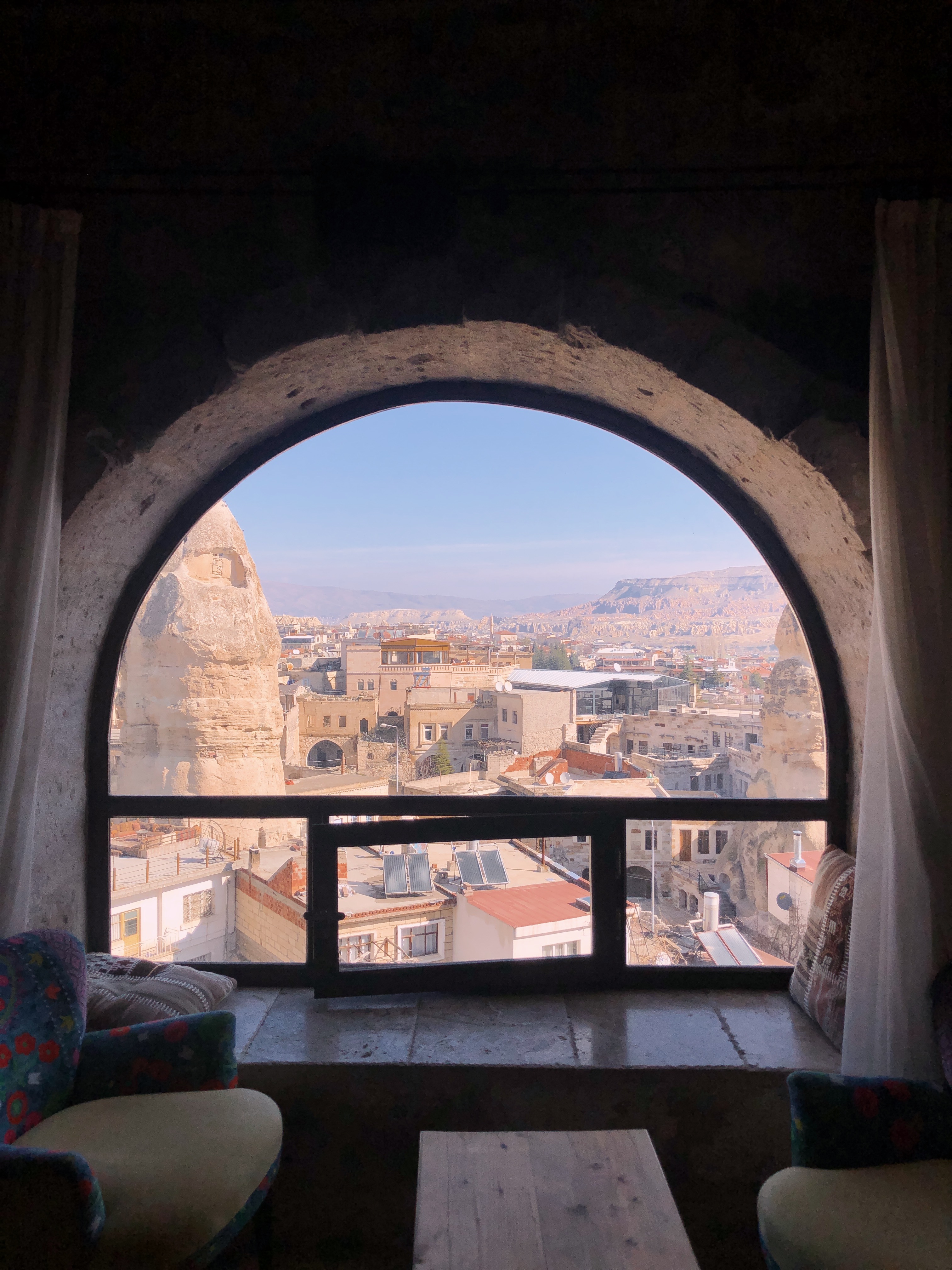
In Capadoccia:
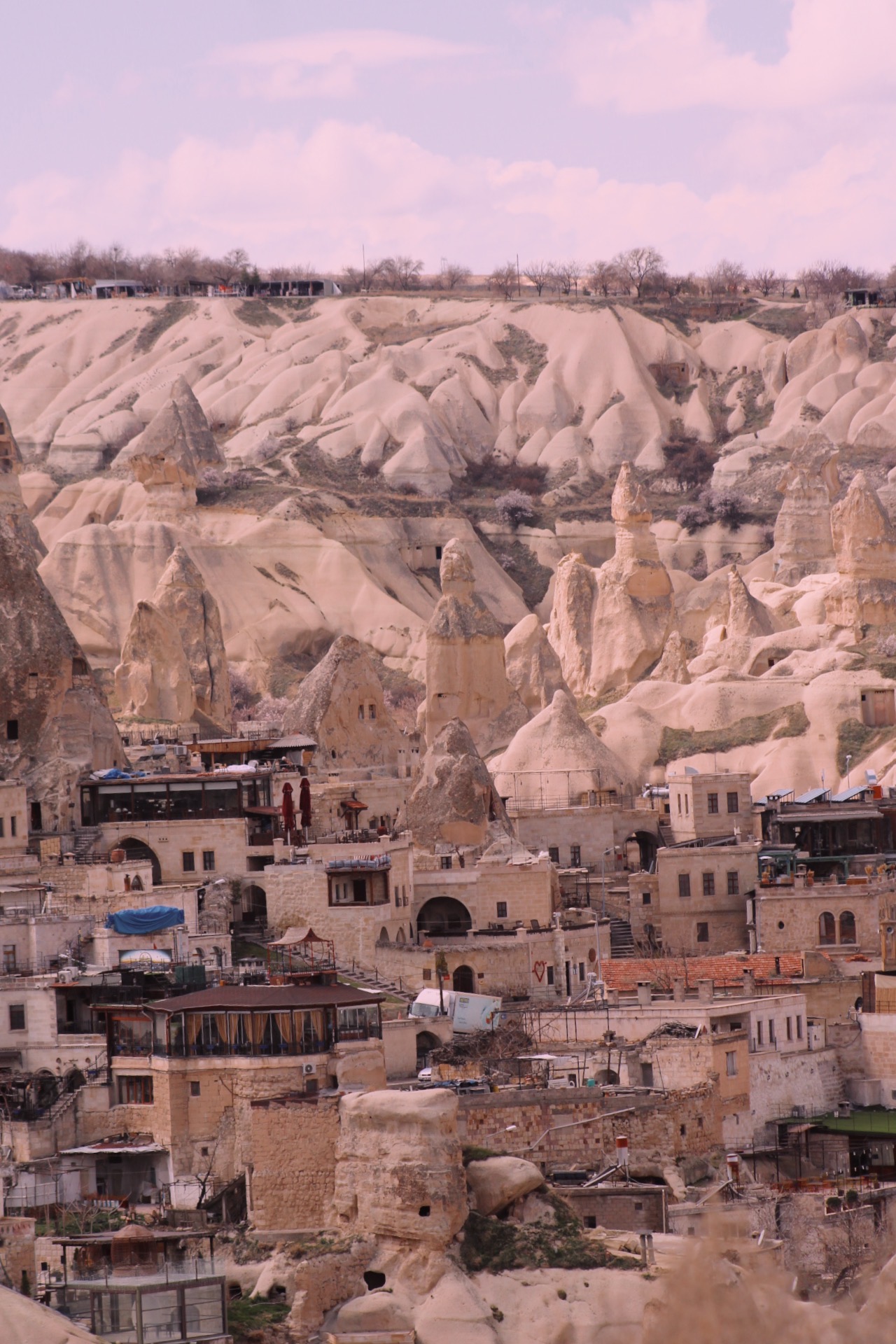
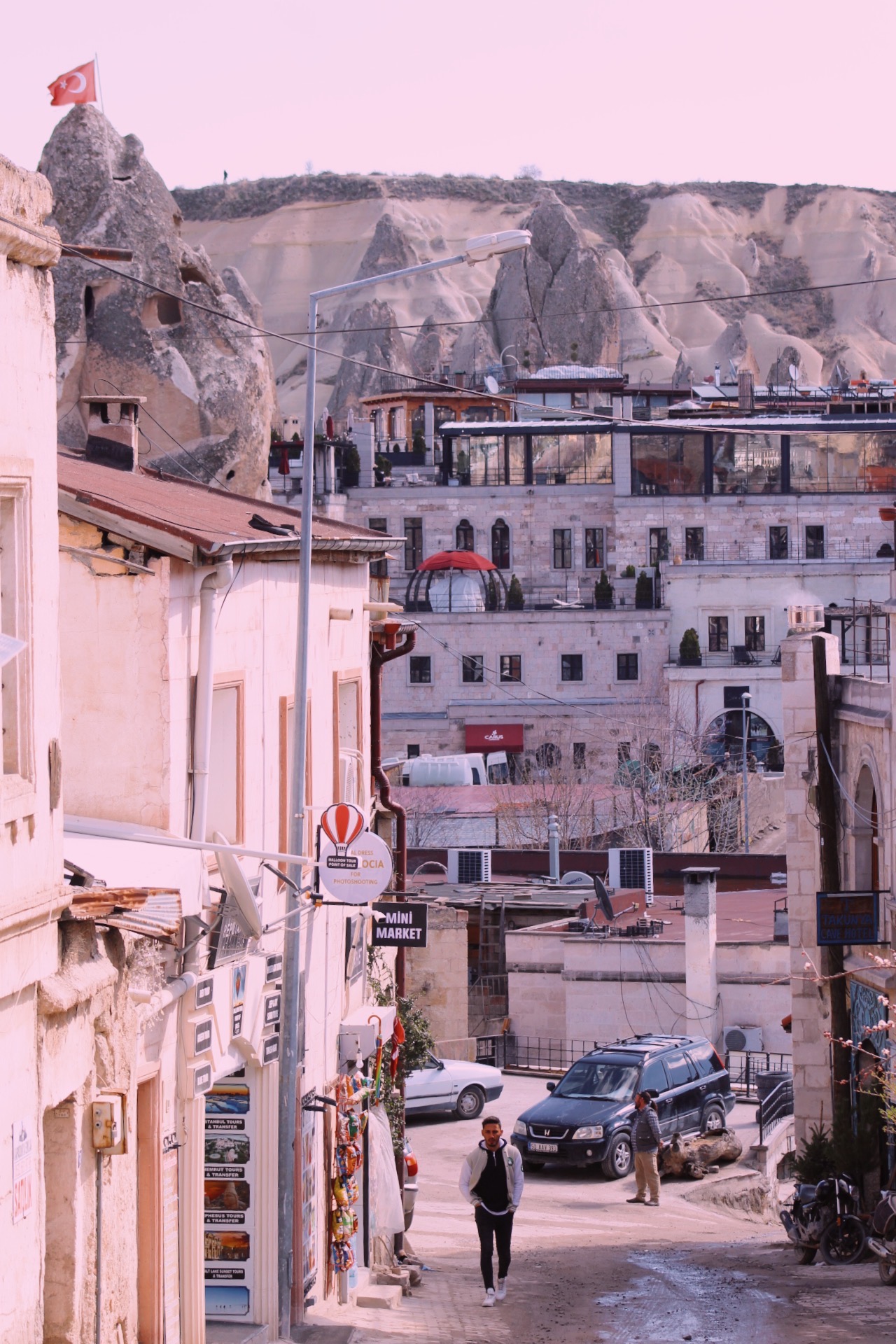
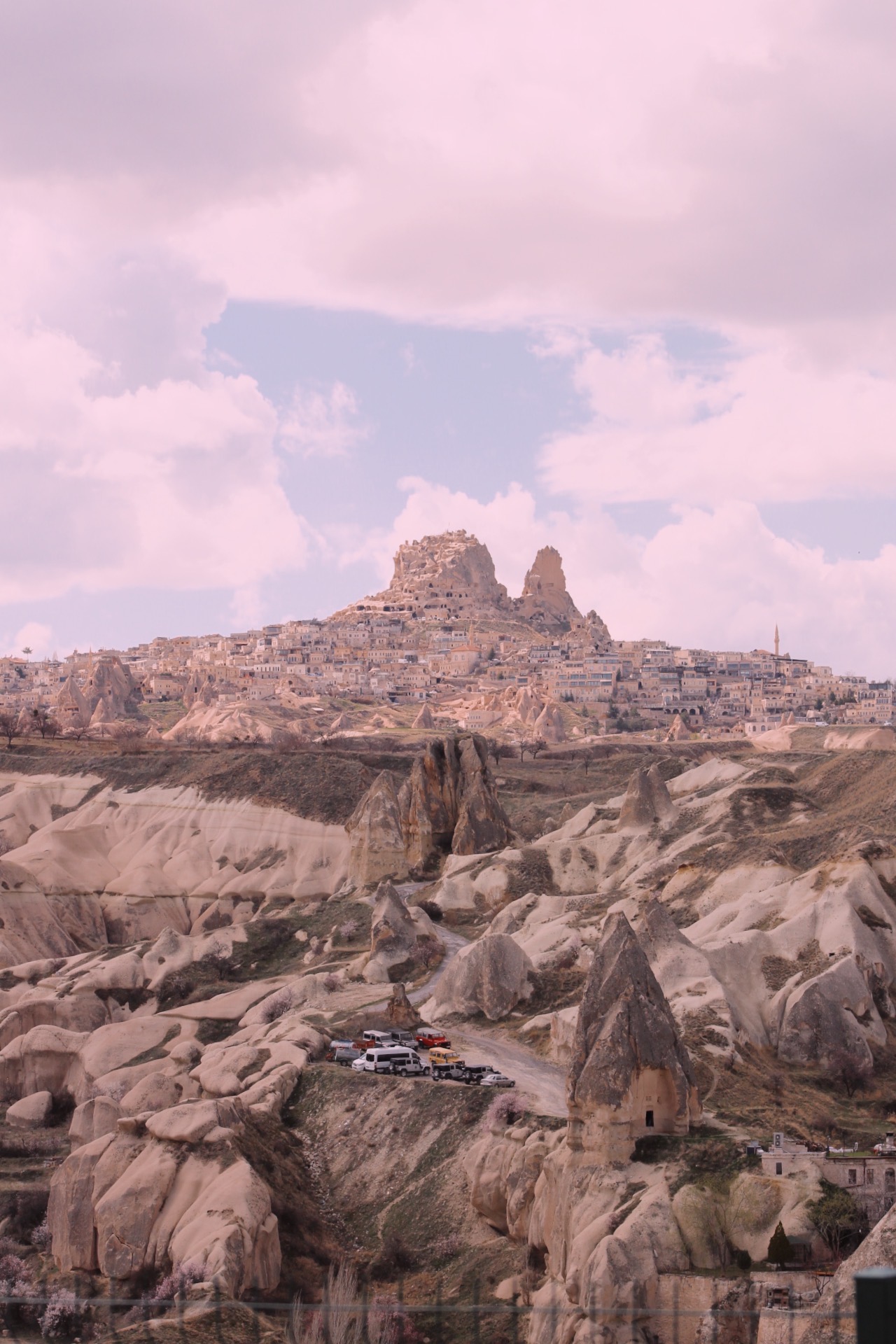
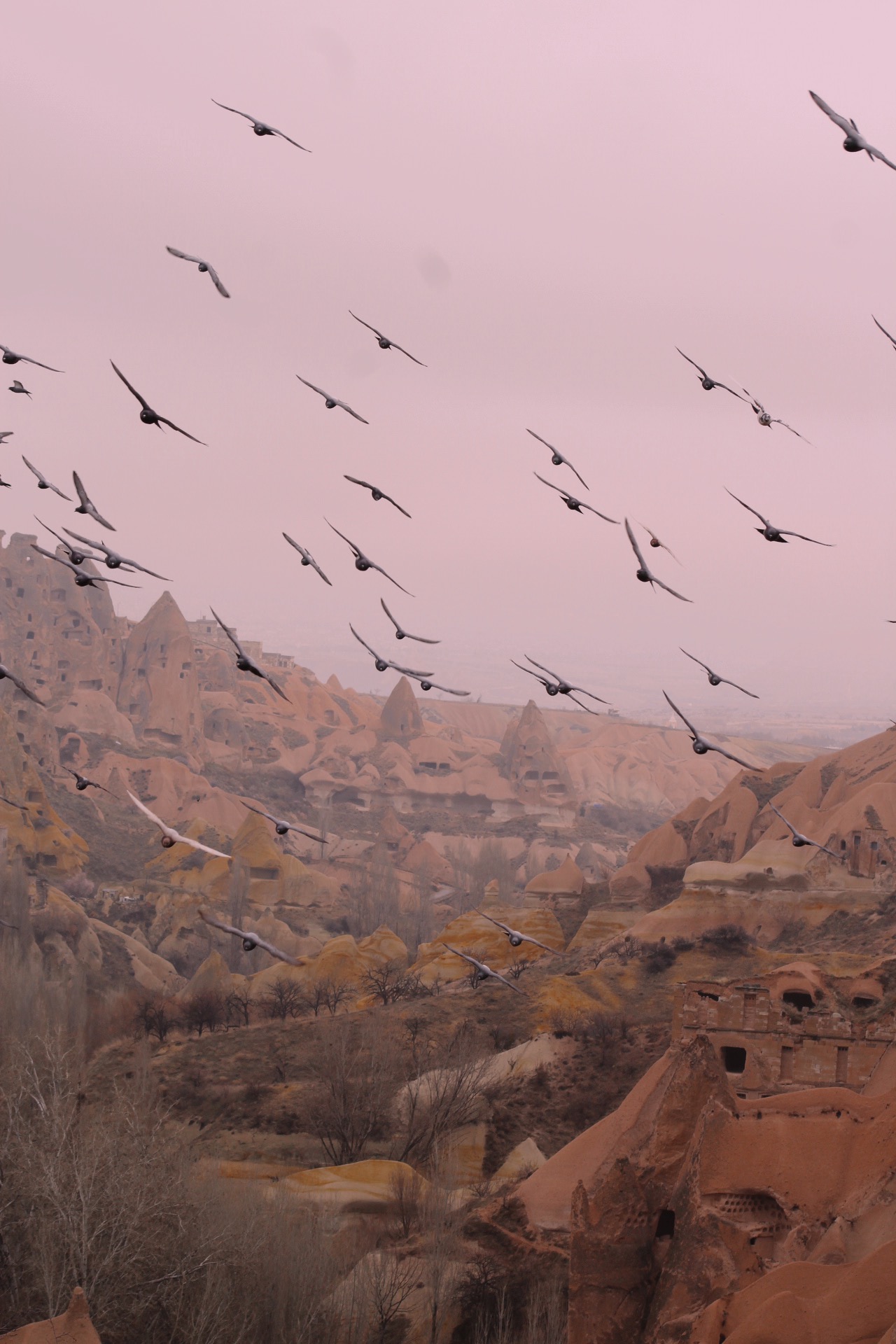
- Göreme & The Fairy Chimneys: In Cappadocia, volcanic ash eroded over millions of years into towering stone cones and pillars known as fairy chimneys. Göreme is an open-air museum filled with Byzantine-era monasteries and rock-cut churches featuring original 10th-century frescoes.
- Living Inside Cave Hotels: Instead of standard hotel rooms, modern restorations across towns like Uçhisar and Göreme allow you to sleep carved directly into the soft volcanic tuff, featuring cool stone walls, archways, and private terraces looking out across the valleys.
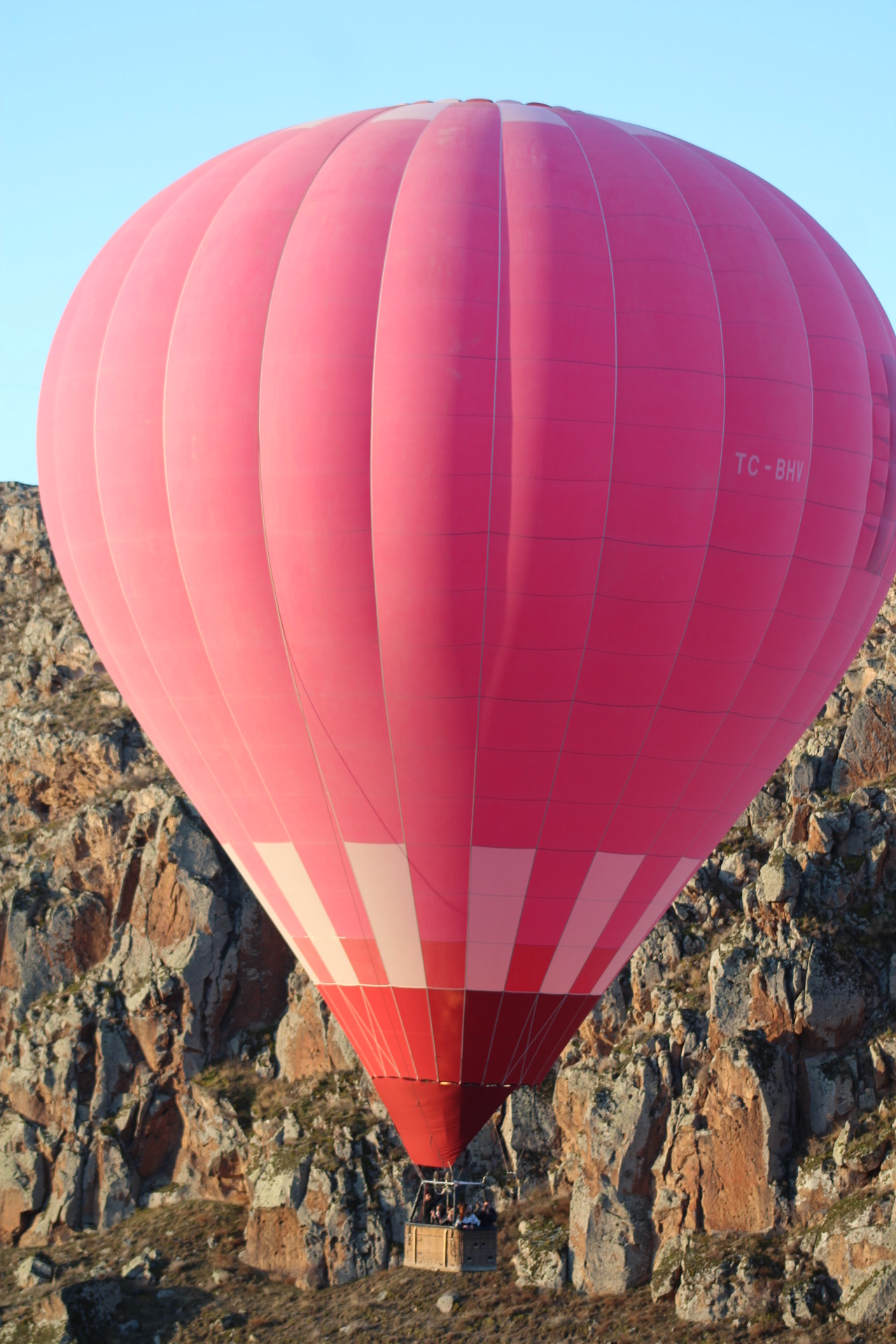
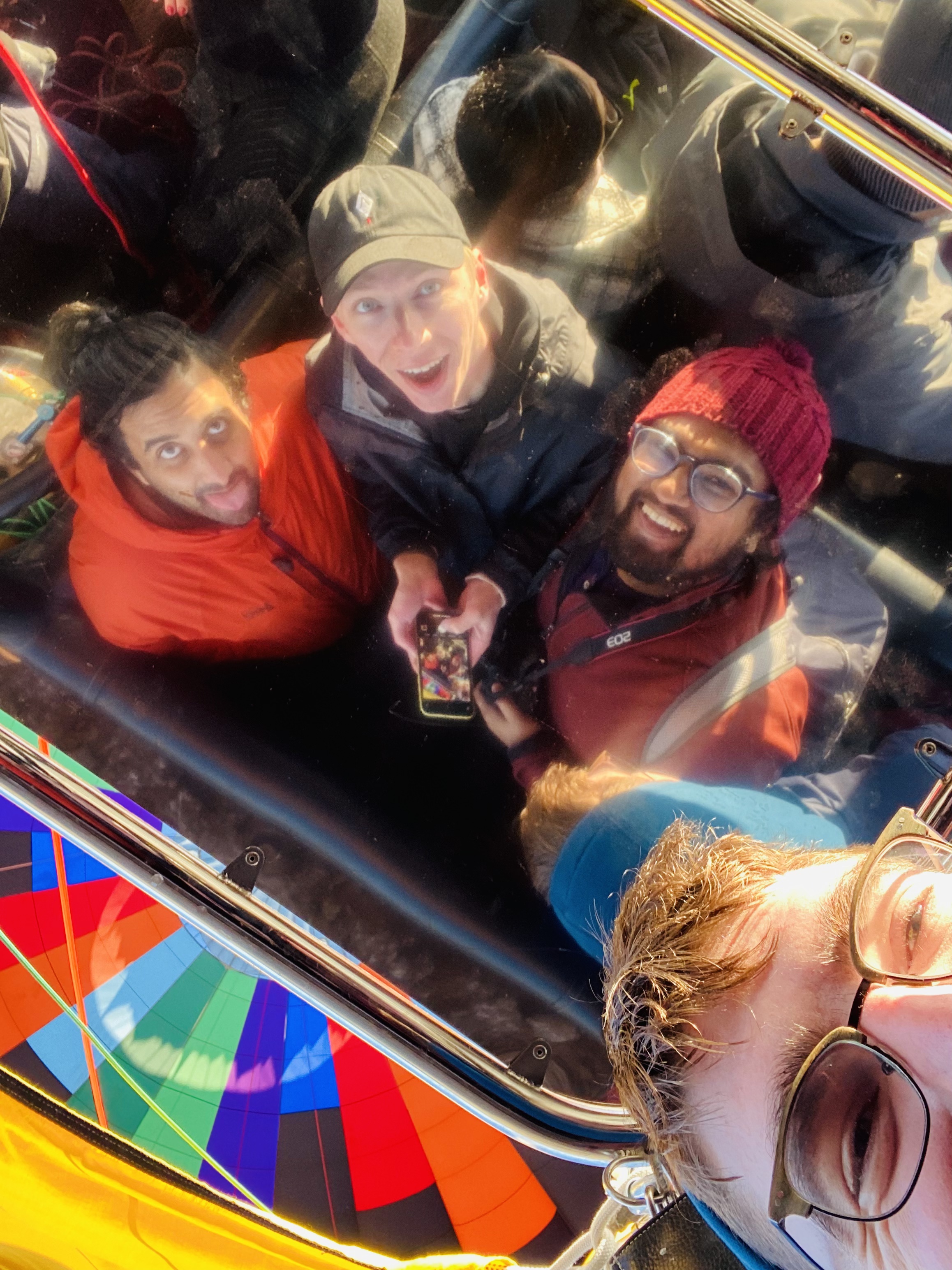
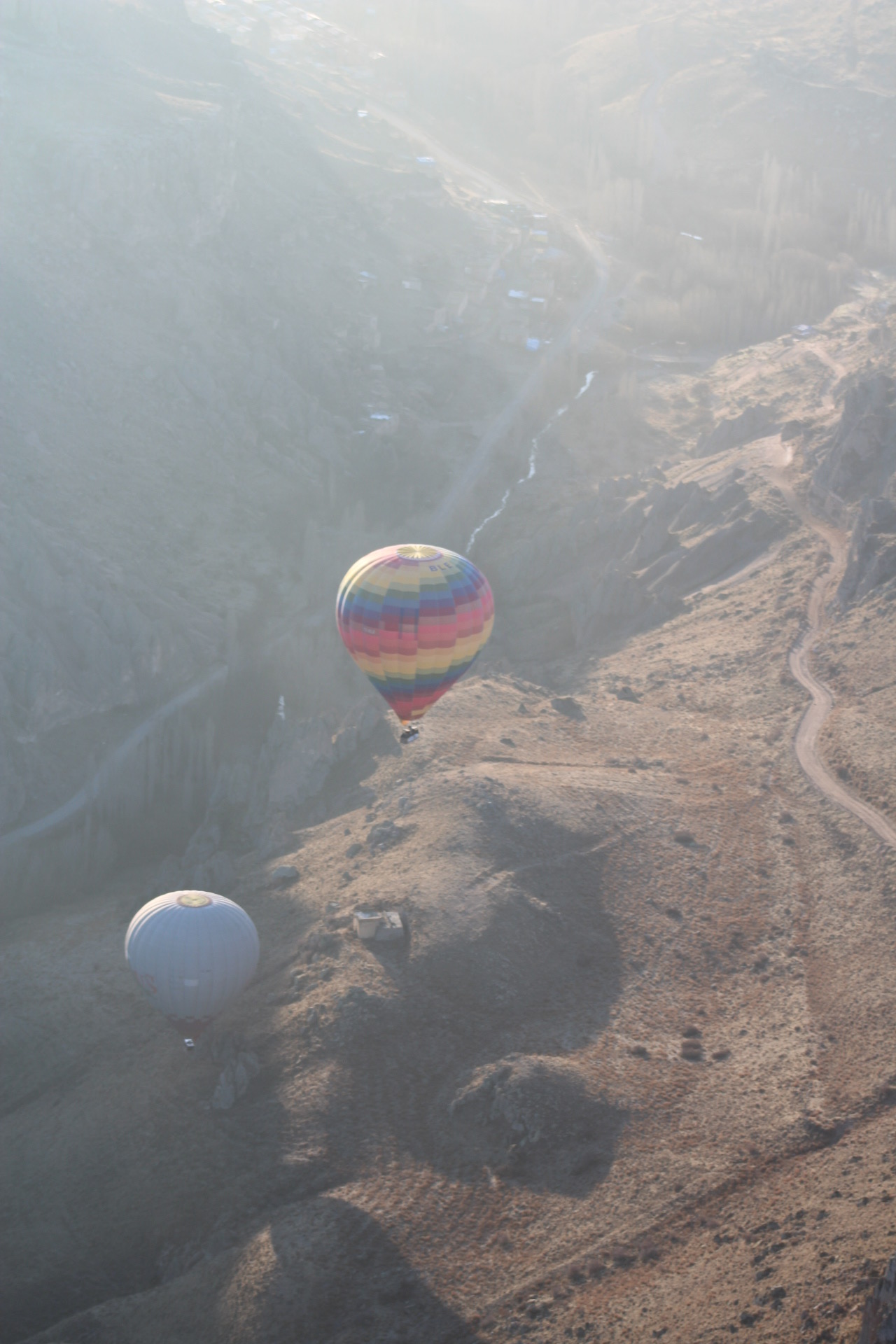
- Sunrise Hot Air Balloons: Waking up at 4:30 AM in freezing valley air was immediately forgotten the moment our basket lifted off. Drifting hundreds of feet up alongside a hundred other colorful balloons as dawn broke across the rose-tinted ridges was one of the most enchanting sights I’ve seen.
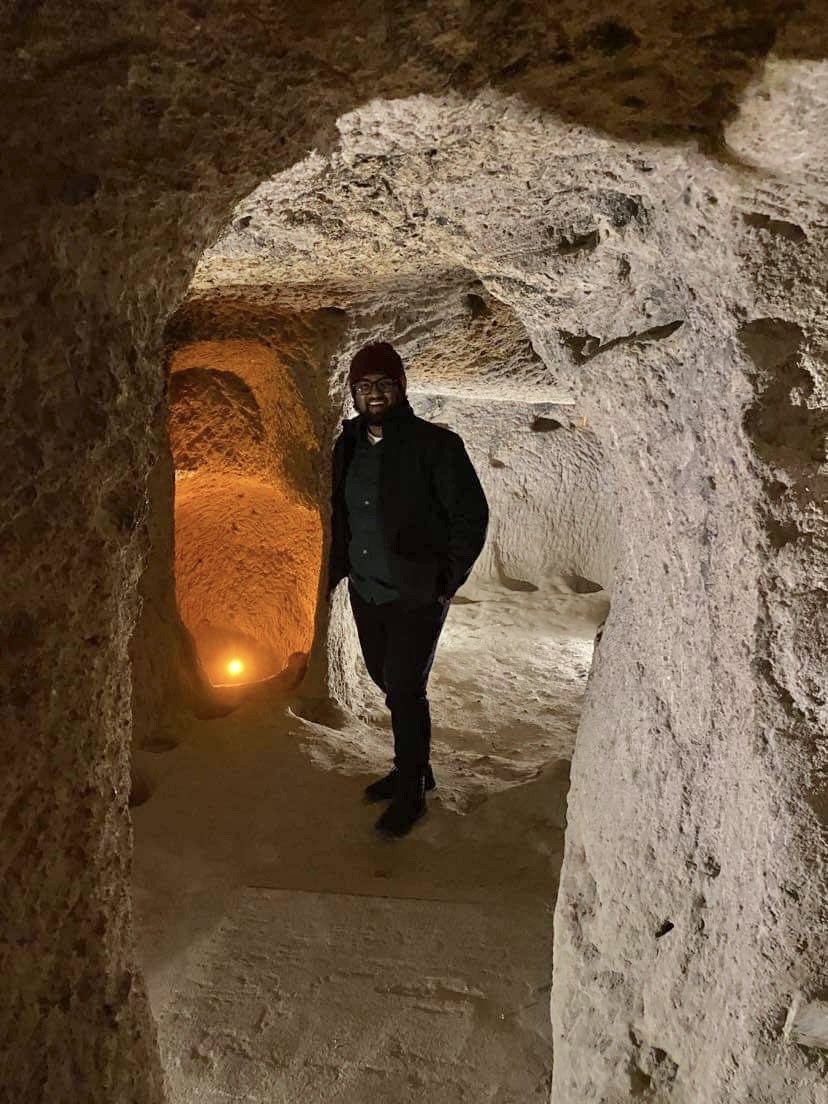
- Kaymaklı & Derinkuyu Underground Cities: Entire subterranean settlements carved multiple stories deep into the earth. Early Christians used them as defensive refuges, complete with ventilation shafts, stables, chapels, and massive rolling stone doors designed to seal out invaders.
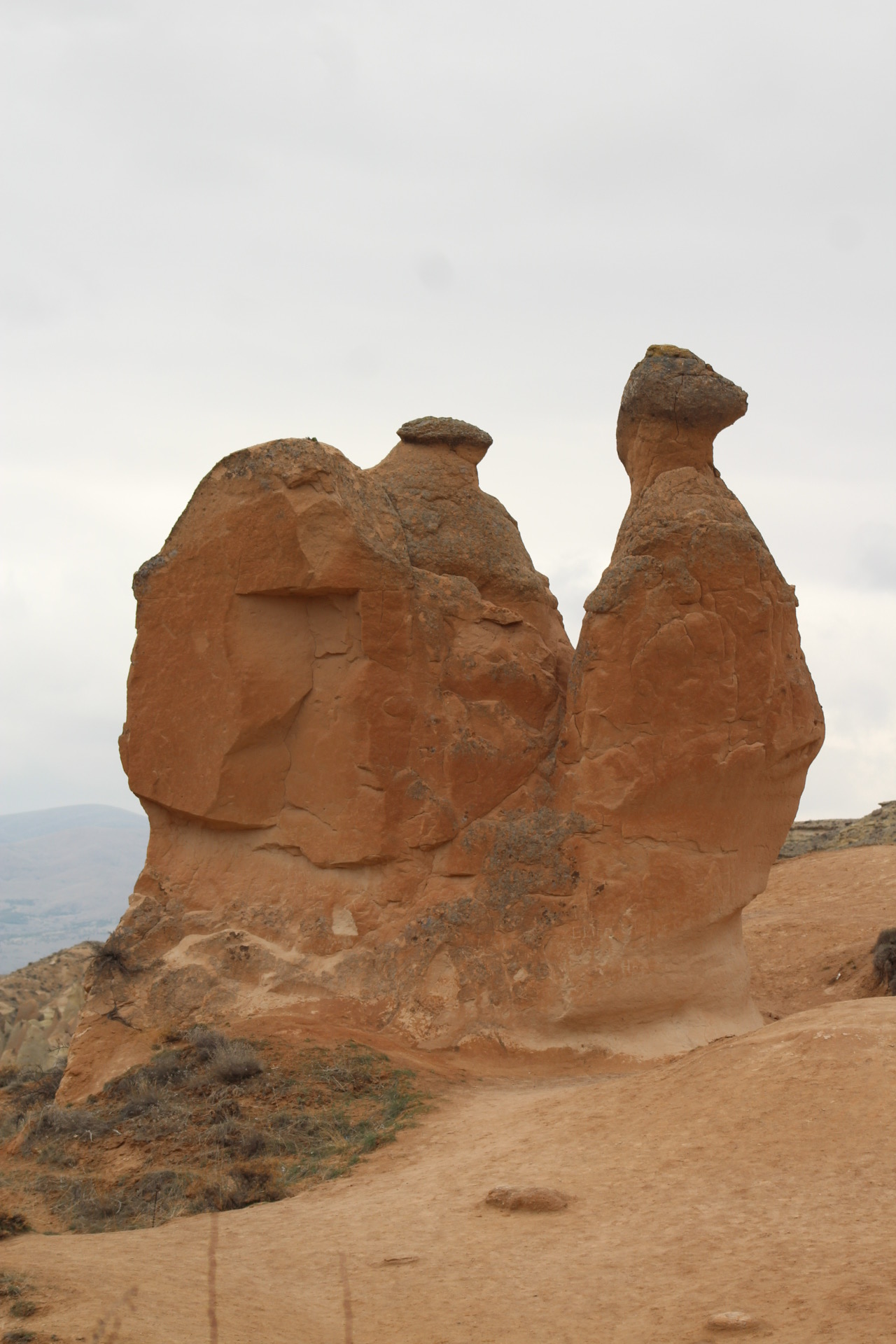
- Devrent (Imagination) Valley: Unlike other valleys in Cappadocia, there are no cave homes or churches here. Instead, wind and rain have sculpted the rock into uncanny silhouettes—camels, seals, and abstract figures that change form depending on the viewing angle and angle of the sun.
Thoughts on Türkiye’s Culture and People
Beyond the food and the monuments, what stayed with me most was the spirit of the people we crossed paths with every day. From the hotel staff and hamam’s massage therapists, to the street vendors and shopkeepers, warm and rich hospitality was found at every corner.
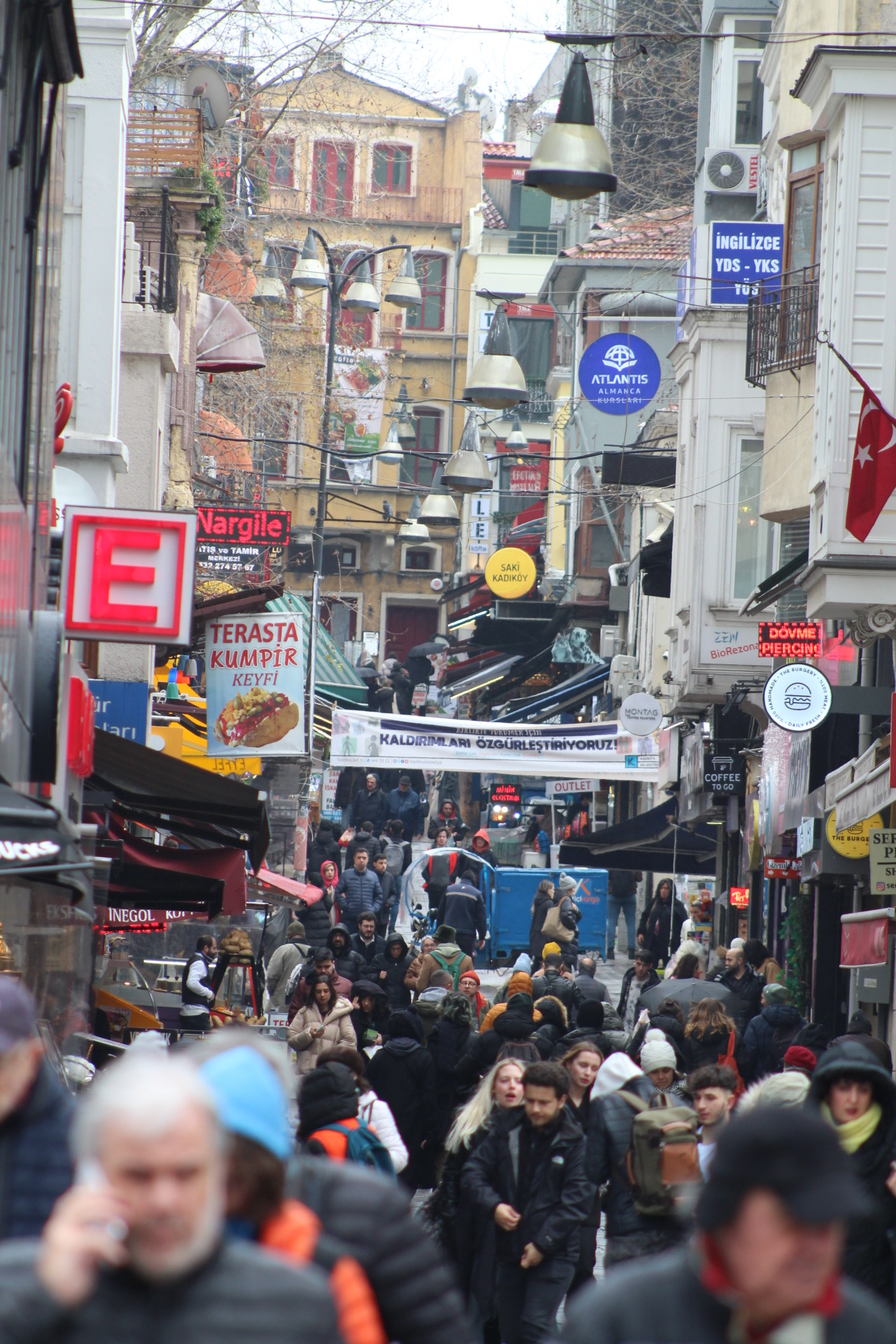
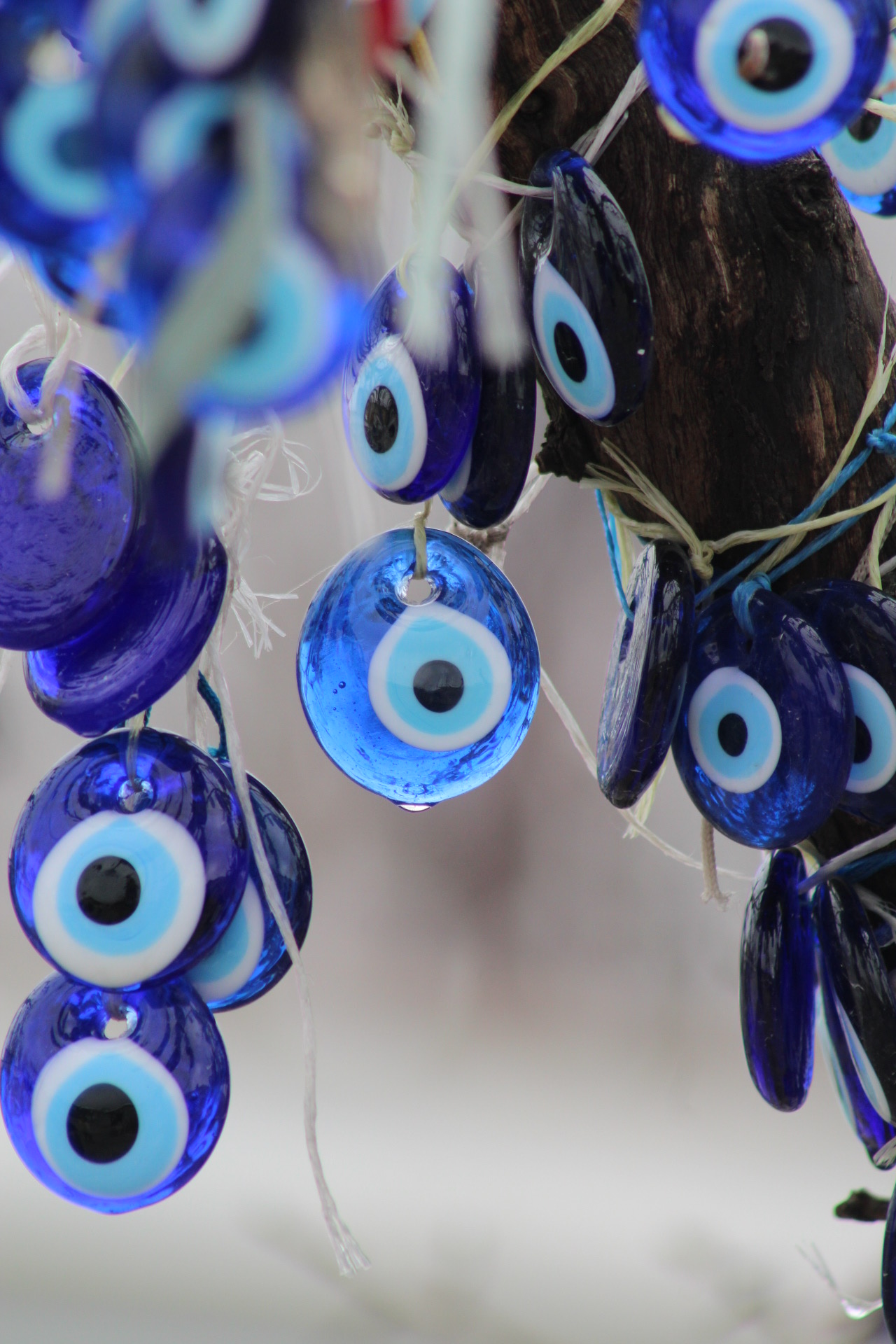
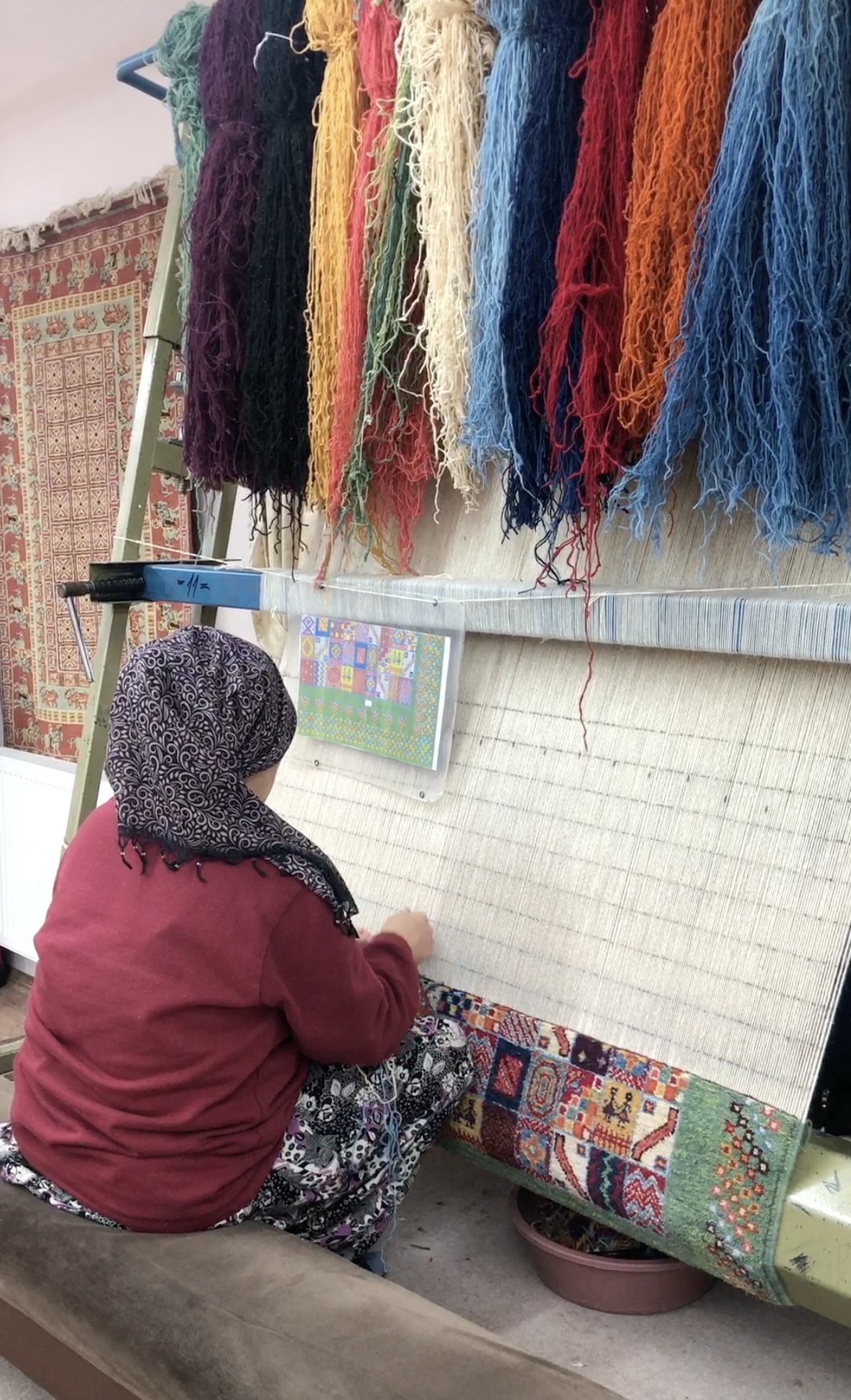
- A Secular Fabric with Islamic Threads: Türkiye operates at a unique crossroads. The population is overwhelmingly Muslim, yet the country’s modern republic was founded on strict secular principles. In a single city block, you witness young artists in denim jackets sipping espresso next to elderly men with prayer beads walking to the mosque. Faith and modern urban life coexist naturally without feeling mutually exclusive.
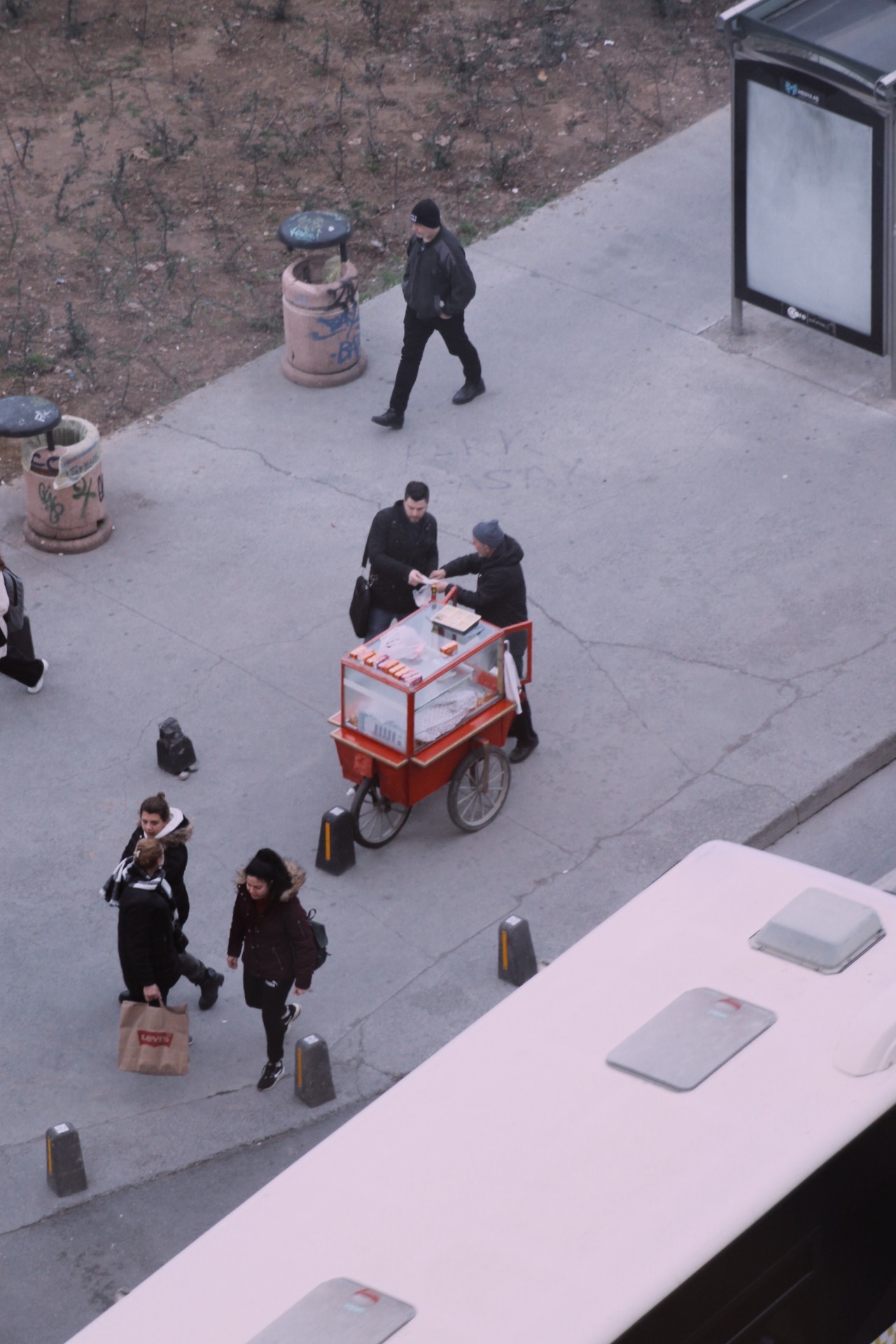
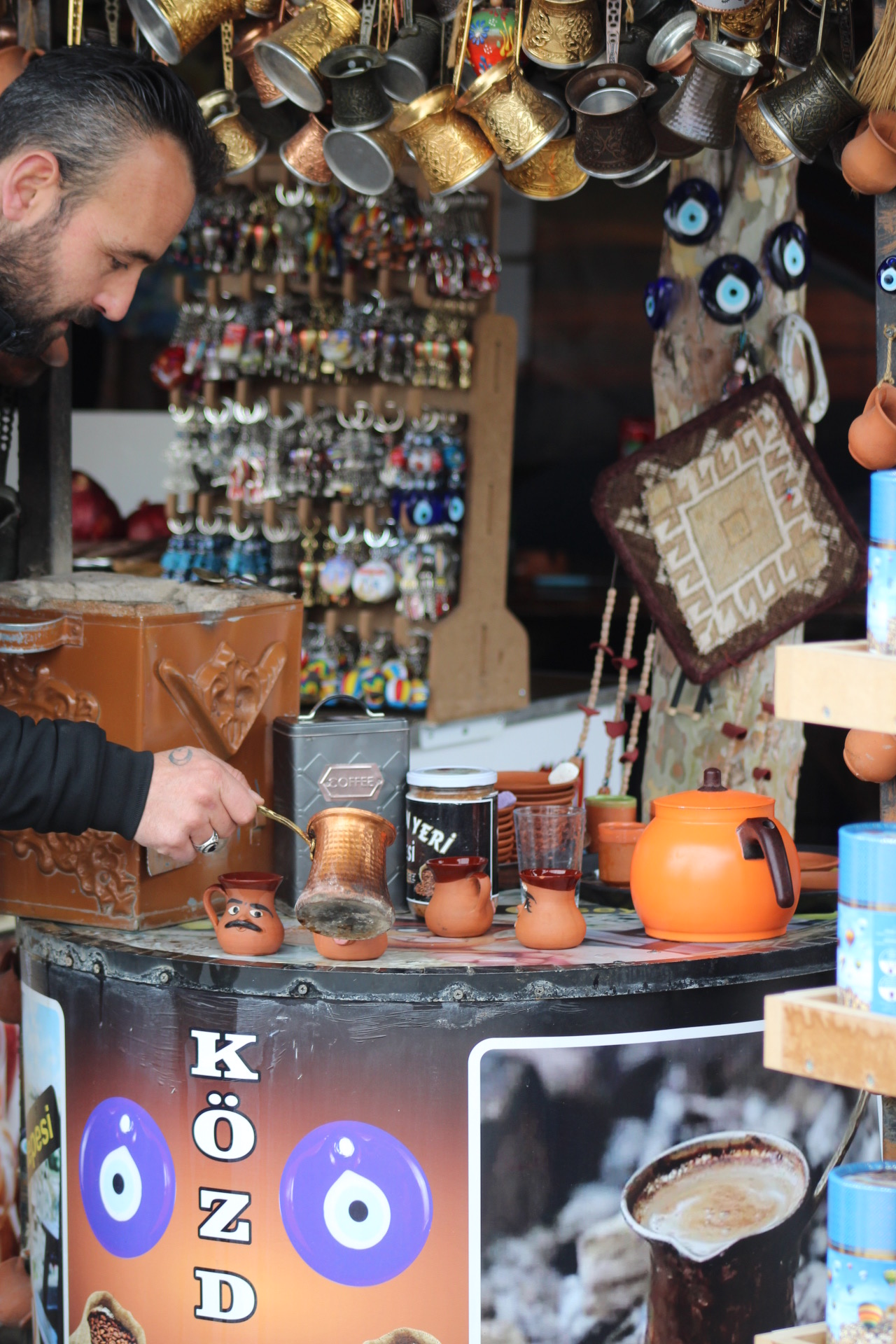
- Hospitality as a Duty: In Turkish culture, a guest is considered Misafir, which carries the cultural weight of being a “guest from God.” Shopkeepers will sit you down for çay with zero expectation of a sale; street vendors will insist you sample fruit from their crates; strangers will walk three blocks out of their way to ensure you find your metro stop.
- A Crossroads Identity: Being the bridge between Europe and Asia is not just a geographical tagline; it’s woven into the Turkish psyche. Conversations shift fluidly between European politics, Mediterranean ease, and Middle Eastern family traditions, giving the country an intellectual and cultural dynamism unlike anywhere else.
Our host at Arinna in Göreme was the embodiment of Turkish culture, giving us a personal tour of the local sites, sharing stories about his family, ushering us into the top restaurants where he knew the owners, and taking it upon himself to find us the best alternate plans when conditions weren’t ideal for hot air ballooning and when we had to postpone. I can’t think of a time where I had felt so cared for by a stranger, and by the end of our stay, it felt like we had made a true friend.
Until Next Time
Growing up in the West, it is impossible to ignore the persistent, flattened narratives often assigned to predominantly Muslim nations. They are too frequently painted through a narrow lens of conservatism, rigidity, or conflict.
Türkiye has an effortless power to upend those assumptions.
I am not a religious person, but traveling with an open mind quickly proves that Muslim communities and Islamic cultures possess values that deserve genuine understanding, appreciation, and respect: radical generosity, devotion to community, artistic richness, and profound family ties.
At 29, exploring this country with close friends was a grounding reminder of why we travel in the first place—not simply to capture beautiful photographs, but to let our preconceptions dissolve against the reality of a place. Türkiye welcomed us with open arms, endless çay, and unforgettable grace.
It took me three years to return after that initial six-hour layover. I hope I don’t have to wait so long for the next one.
P.S. A playlist from the trip:


